



















Dialectical Behavior Therapy (DBT)

Dialectical behavior therapy (DBT) is an evidence-based talk therapy that is a modified form of cognitive behavioral therapy. DBT aims to help people accept the reality of their lives and make changes to it by eliminating unhelpful behaviors. It is designed specifically for individuals who experience intense emotions and stress. The therapy has yielded excellent results in treating a wide range of mental problems and issues plaguing different individuals.

The process of DBT treatment is quite structured and intensive compared to traditional CBT. It involves multiple modes of treatment, which may include an inpatient or an outpatient module to get the best results. To top it off, clients get consistent support and more time to apply the new skills they learnt in real-life situations.

DBT was developed by Marsha Linehan in the early 1990s to help chronically suicidal individuals or those with borderline personality disorder. However, with time, it has slowly been used for addressing numerous mental illnesses.

What is Dialectical Behavior Therapy (DBT)?

Dialectical Behavior Therapy (DBT) is a structured therapy that helps individuals accept their current conditions while actively working to change their unhealthy behaviors. Maintaining a balance between them is vital for individuals who are struggling with extreme emotions. DBT focuses on four core skills of mindfulness, acceptance & distress tolerance, emotional regulation, and interpersonal effectiveness. These skills play a pivotal role in helping clients identify their thoughts and learn how they can change them to lead a fruitful life.

DBT has evolved into an evidence-based psychotherapy used in different settings.  It is commonly seen in group, individual, or phone coaching therapy sessions. The average duration of the therapy is between 6 months to 1 year. However, it has a high dropout rate, which can range from 24% to 58%, making it a big concern. But, those who have completed the therapy have shown excellent results and lead a fruitful life.

How Does Dialectical Behavior Therapy (DBT) Work?

The main goal of DBT is to strike a balance between acceptance of your condition and understanding the benefits of change. The therapist will help you learn new skills that’ll help you improve your emotions.

The structure of DBT varies from one therapist to the other, but it generally follows the structure as listed below.

  • Pre-Assessment
Before starting DBT therapy, your therapist will try to understand how suitable DBT is for your condition. They’ll ask you a few questions and explain how the therapy will work. If you agree to continue, then they’ll ask you to commit to the treatment fully.

  • Individual Therapy
 DBT usually starts off with individual therapy, wherein you spend between 30 to 60 minutes per session with your therapist. The session aims to keep you safe from self-harming or suicidal behaviors. Additionally, it also helps you identify and eliminate behaviors that hinder your productivity. During this session, the therapist may also teach you new skills that’ll help replace your harmful behaviors.  The therapist will ask you to keep a track of your emotions and actions by noting them down. Depending on the notes, the therapist will help you decide what to work on in the next session.

  • Group Sessions
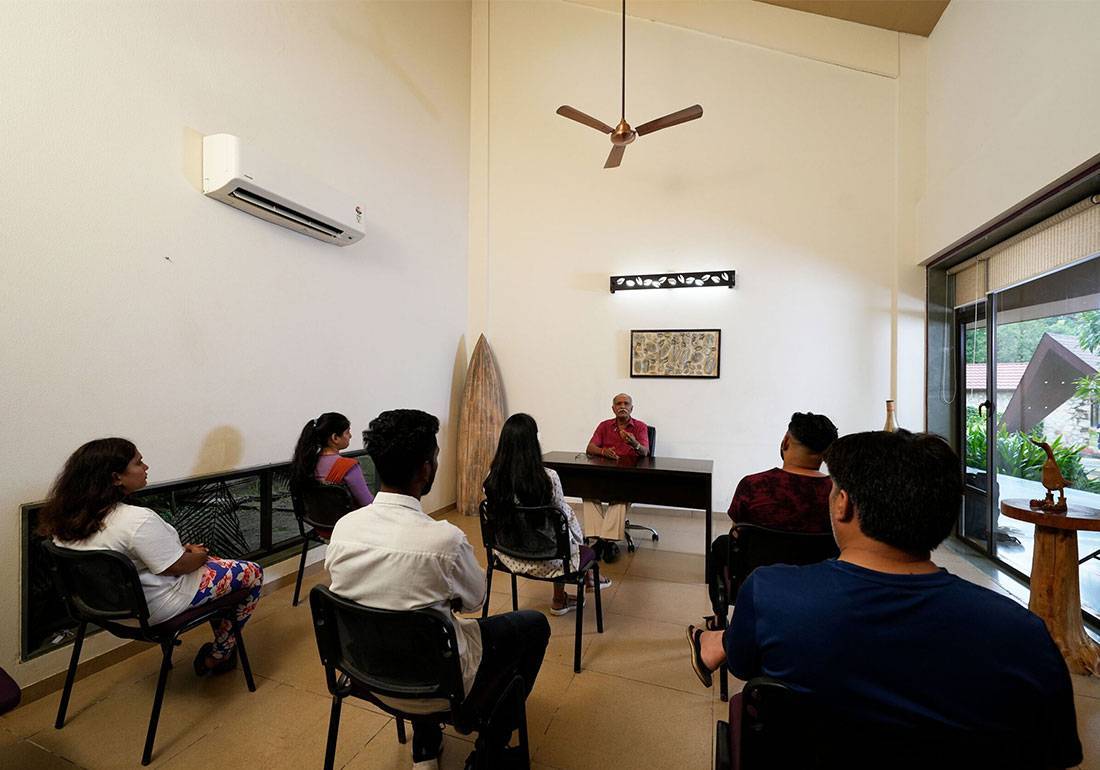
Group sessions are not your regular group therapy, but more like a space where the therapist talks and individuals listen. These sessions aim to improve your capabilities in everyday life. The 4 skills your therapist will teach during these sessions are

  1. Mindfulness: The practice aims for the client to be fully aware and focused on the present instead of thinking about the past or future.
  2. Emotion regulation: It teaches clients to be aware and have more control over their emotions.
  3. Distress tolerance: It aims to understand and manage emotions in stressful situations instead of responding with harmful behaviors.
  4. Interpersonal effectiveness: Understand how to ask what you desire by setting certain boundaries, maintaining proper respect.

  • Telephone Coaching
DBT involves telephone calls with your therapist to support your daily life. Here, you can contact your therapist at certain periods between sessions if you need support. These calls are usually brief, and the therapist sets boundaries on when you can call them.

How does Cognitive Behavioral Therapy Work

CBT is not just about identifying an individual’s thoughts; it uses a wide range of strategies to overcome their thoughts. Let’s look at them below.

  • Identifying Negative Automatic Thoughts: The first step is to identify negative thinking patterns or feelings that cause harmful behaviors. 
  • Cognitive Restructuring/Challenging: The therapist and client will then work to examine the evidence against these negative thoughts. It is a core process of challenging these thoughts and replacing them with helpful thoughts. Here, clients may be taught new skills that can be used in real-world situations.
  • Setting New Goals: Setting goals is important in the recovery from mental illness. A therapist will help clients identify their goals and help them achieve them.
  • Problem Solving: CBT teaches clients problem-solving skills, which may arise due to life stressors or other issues. 
  • Self-Monitoring: Self-monitoring is an important part of CBT, where individuals have to track their behaviors or symptoms and share them with their therapist. This will give the therapist information to provide the best treatment.

What is Dialectical Behavior Therapy (DBT) used for?

Dialectical behavior therapy is a great choice for individuals who find it hard to manage and regulate their emotions. It has proven effective in managing a range of issues, which include:

Heal in a Safe, Caring Environment

Call Us at 1800-547-2060  for a Free Consultation.

Meet Your Drug & Alcohol Treatment Team

Our team includes clinical psychologists (RCI Licensed), psychiatrists, counsellors, therapists, and facilitators. They specialize in addiction recovery and mental health care with years of experience. Their dedication helps patients achieve lasting sobriety.

Effectiveness of DBT

DBT has been very successful in improving coping skills and effectively managing strong emotions. The therapy has been effective for individuals of all ages, sexes, or races.

  • For Suicidal Behaviors: A study found that high-risk individuals who took part in DBT were less likely to attempt suicidal behaviors over the 2 year period of the study.
  • For BPD: DBT is an effective tool to treat BPD. In fact, a study stated that 77% of patients no longer met criteria for BPD diagnosis after 1 year of DBT therapy.
  • For Depression and Anxiety: As per a study, DBT appears to be quite effective when treating depression, anxiety, or PTSD.

Pros and Cons of Dialectical Behavior Therapy

Dialectical behavior therapy has great potential to treat people with mental illness. However, when there are benefits, there are some cons. Let’s look at them below.

Pros of Dialectical Behavior Therapy

  • Strong evidence-based approach for effective treatment
  • Fewer days of inpatient hospitalization
  • Teaches practical life skills for managing stress and emotions
  • Comprehensive treatment structure
  • Improved quality of life

Cons of Dialectical Behavior Therapy

  • It is time and resource-intensive
  • Can be slightly expensive
  • Requires active participation and commitment

A Comfortable Healing Environment

Our facility is designed to promote inner peace and healing. We offer private rooms, nutritious meals, green surroundings, and wellness-focused amenities that support physical and emotional recovery. Residents from Dubai often find solace in being away from their usual environment, allowing them to reflect, reset, and recover.

We also respect religious, cultural, and dietary needs. Whether it’s halal food, prayer arrangements, or female-only therapy sessions, we make every effort to ensure your comfort and dignity.

Our center is located in a strategic location and is accessible via airways, railways, and roadways. We assist the family members of our clients to find accommodation and stay in and around the center.

Rooms

Patients can choose between economy rooms and deluxe suites for privacy.

Recreational Areas

The gym, swimming pool, gaming zone, and organic farming help in relaxation.

Therapy Spaces

Our yoga and group therapy rooms support mental wellness.

How to get started with Dialectical Behavioral Therapy

Dialectical behavioral therapy is an effective treatment for psychological issues. If you or someone needs this therapy, then consider the steps:

  • Consult a Healthcare Professional: Start by consulting a physician or psychiatrist, who can advise or refer you to a center for better assistance.
  • Find a Qualified Therapist: Look for a licensed mental health professional who specialises in DBT. At Alpha Healing Center, we have some of the best therapists, psychologists, and counsellors who are experienced with DBT. Our expert team, under the guidance of Dr R. Rajkumar (MD Psychological Medicine, JC Marfatia Gold Medallist), has helped numerous individuals get their lives back.
  • Commit to the Process: DBT requires active participation, and you need to commit to the therapy.

Frequently Asked Questions

1. How long does Dialectical behavioral therapy last?

The full process of the DBT program can last between 6 months to a year. The skill training lasts at least 24 weeks, but people usually repeat it once.

DBT is an improved version of CBT. It is more effective than CBT for individuals who are suffering from intense emotions or engaging in high-risk behaviors.

DBT and medication are not directly comparable. However, DBT is beneficial for changing negative behaviors and managing distress. In contrast, medication is used to stabilize biological symptoms to regulate mood or intense symptoms.