
Prescription drug misuse is a growing public health crisis that may soon head towards a major epidemic. In fact, 13.8 million people around the world misuse prescription drugs in a year, amongst whom the Indian population is a major contributor. Unlike traditional illicit drugs, which are traditionally associated with stigma, prescription drugs are accompanied by a doctor’s prescription, giving a false assurance of safety. This can quickly turn into dependency even before the individual recognizes this critical shift.
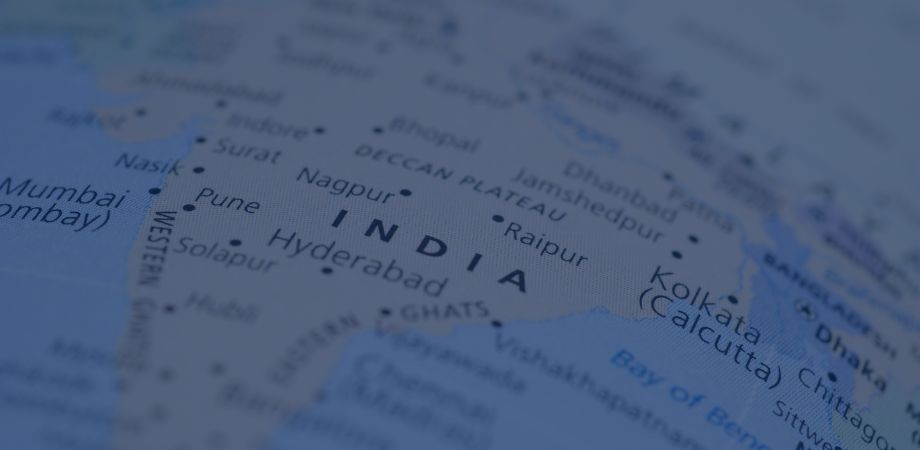
Mumbai is a bustling metropolitan city with immense pressure and stress across different sectors. The acquisition of illegal drugs is difficult, so people have shifted towards prescription drugs, like opioids, benzodiazepines, and stimulants, to cope with stress. The rise of prescription drug misuse is also caused by aggressive pharmaceutical marketing and systematic failures in healthcare monitoring. Prescription drugs are readily available and seem harmless, but carry a high risk of overdose or addiction. It is, therefore, important to get the right help before things escalate into a major health crisis.
Heal in a Safe, Caring Environment
Call Us at 1800-547-2060 for a Free Consultation.
Which are the Major Types of Prescription Drugs Misused in Mumbai
The substances that have mainly driven the wave of misuse in the city fall under three distinct categories.
Opioids
Opioids are powerful painkillers that are usually prescribed for acute or chronic pain relief. These substances flood the brain with dopamine, influencing the brain’s reward system, creating an euphoric feeling. The most common opioids prescribed in India are codeine-cough syrups, Buprenorphine, Tramadol, morphine, and other strong analgesics. These prescription opioids are usually misused and lead to the slow development of dependence and tolerance. In India, 2.1% of the population is addicted to opioids, and it is a major concern. These opioids are a cheaper alternative to heroin and other illicit opioid-based drugs; also, they think they are safe. However, close to 80% of the total 600,000 deaths due to drug addiction are attributed to opioids.
Central Nervous System (CNS) Depressants
CNS depressants are common prescription drugs used to treat anxiety, sleep, and panic disorders. These depressants slow down brain activity to create a drowsy effect. Some common examples include Benzodiazepines, like Diazepam, Alprazolam, and Lorazepam, as well as non-benzodiazepine hypnotics.
The prescription drugs are used to switch off or cope with anxiety or insomnia in the high-stress Mumbai environment. They are usually taken in higher doses than prescribed. In some cases, it is mixed with alcohol, increasing the risk of overdose or organ failure.
Stimulants
Stimulants are usually prescribed for Attention Deficit Hyperactivity Disorder (ADHD) or narcolepsy. They are generally misused by students or professionals who want to be competitive in the corporate scene in Mumbai. These drugs are used to increase concentration, boost performance, and stay awake longer. Some common medicines include Amphetamines (Adderall) and Methylphenidate (Ritalin).
Why is there a Rise in Prescription Drug Misuse in Mumbai
The rise of prescription drug misuse in Mumbai is due to the interconnection between socioeconomic, healthcare, and regulatory vulnerabilities. Another major issue is that there is a lack of awareness among users that they are in the grips of substance use disorder. Some of the reasons for the rise include:
Misinformation
In social groups, especially amongst the youth, the misuse of prescription drugs has been perceived to be safe compared to street drugs. Since they are manufactured and packed professionally, it makes people not consider their addictive potential.
Regulatory Loopholes
The pharmaceutical supply chain in Mumbai is under immense pressure due to the city’s large population, creating vulnerabilities that are often exploited. There are set regulations for prescription drugs, but pharmacies sell these opioids or benzodiazepines illegally for profit. The lack of a centralised record system allows individuals to make multiple purchases on a single prescription. Additionally, the growth of online pharmacies has made it easier to procure prescription medicines.
Self-Medication
Mental health is a major issue that is plaguing the city of Mumbai, and its treatment carries heavy stigma. This makes individuals self-medicate with pills that are easily accessible. Over time, the lack of treatment leads to over-reliance on these substances and can eventually turn to dependency.
Why are People Unaware They’re Addicted to Prescription Drugs
The main problem of the epidemic is the delayed awareness of its addiction. The onset of addiction is a gradual process, which is driven by both physical and psychological factors. This may be
- Understanding the difference between use and misuse: The line between therapeutic use and dependence is usually confusing. Many individuals think that physical dependence means addiction. However, physical dependence means that the body is dependent on the substance, but not addicted. Addiction is a disease that requires the constant use of a substance despite its consequences. If the brain adapts to the drug, it will require higher doses due to increased tolerance.
- The Adaptation of the Brain: The medications hijack the brain’s reward system, weakening the brain’s prefrontal cortex, which is responsible for judgment and impulse control. The desire to use the medication overrides logical thought, which slowly becomes the hallmark of addiction.
- Family and Social Enabling: Prescription drugs carry the doctor’s stamp, making family members unlikely to suspect misuse. They may accidentally enable the addiction.
The Dangers of Prescription Drug Misuse in Mumbai
The dangers of prescription drug misuse can span across health, social, and legal domains. This leads to tragic outcomes for individuals and their families.
Overdose and Death
The greatest danger of unregulated prescription drugs is the risk of high doses. CNS depressants and opioids are extremely dangerous when mixed with alcohol, which is common in social settings. This can lead to severe respiratory depression, which can slow breathing or result in coma or death.
Health Issues
The misuse of prescription drugs can lead to severe organ damage or cardiovascular problems. This can also lead to worsening of mental health conditions, causing dual-diagnosis, requiring complex treatment.
Legal Consequences
The misuse or possession of prescription drugs can lead to jail time or a fine as per the Narcotic Drugs and Psychotropic Substances (NDPS) Act. Mumbai has recorded a large number of NDPS cases in the past few years.
Path to Recovery from Prescription Drugs
The recovery from prescription drugs in Mumbai requires a professional and evidence-based approach. Mumbai has numerous specialized de-addiction rehabilitation centers offering the best care for lasting recovery.
Medical Detoxification
The first stage for treatment is medical detoxification, as abrupt cessation of sedatives can be life-threatening. Detox programs use a specialized tapering treatment schedule for opioids and Medication-Assisted Treatment (MAT) for drugs like Buprenorphine or Naltrexone. At Alpha Healing Center, the staff fully supports patients throughout the detox process until the symptoms stabilise and they regain their strength.
Comprehensive Rehabilitation and Therapy
The treatment for prescription drugs requires a psychological approach, and mere detox is insufficient. The long-term psychological rehabilitation focuses on Cognitive-Behavioral Therapy (CBT) and Dialectical Behavioral Therapy (DBT). These therapies help build coping mechanisms and manage triggers. Additionally, it helps prevent relapse and paves the way for long-term recovery.
Rehab centers also offer individual and group counselling that helps rebuild self-esteem and process damage caused by misuse. Alpha Healing Center integrates traditional treatment with a holistic approach to heal the mind and the body.
Aftercare and Support
Aftercare planning is the most effective approach against relapse. Mumbai has numerous support and community-based support groups, offering a lifelong support system. The city support groups are accessible at zero cost and highly effective.