


Why Integrated Therapies for Addiction and Mental Health Lead to Lasting Recovery
Addiction is hardly found in solitude. Many people dealing with drug problems also face worry, sadness, past wounds, or similar emotional struggles. When these happen together – called dual challenges – it takes a unique kind of therapies for addiction and mental health. Healing works better when treatment looks at the habit and the mind together, not one after the other. Lasting change often comes only when neither piece gets left behind.
We provide evidence-based, person-centered care at Alpha Healing Center by means of organized inpatient addiction and mental health therapy and non judgemental addiction and mental health counseling services. The article discusses the best and the most effective research-based therapies throughout the world to address drug addiction and co-occurring disorders- and how they will aid in the long-term healing process.
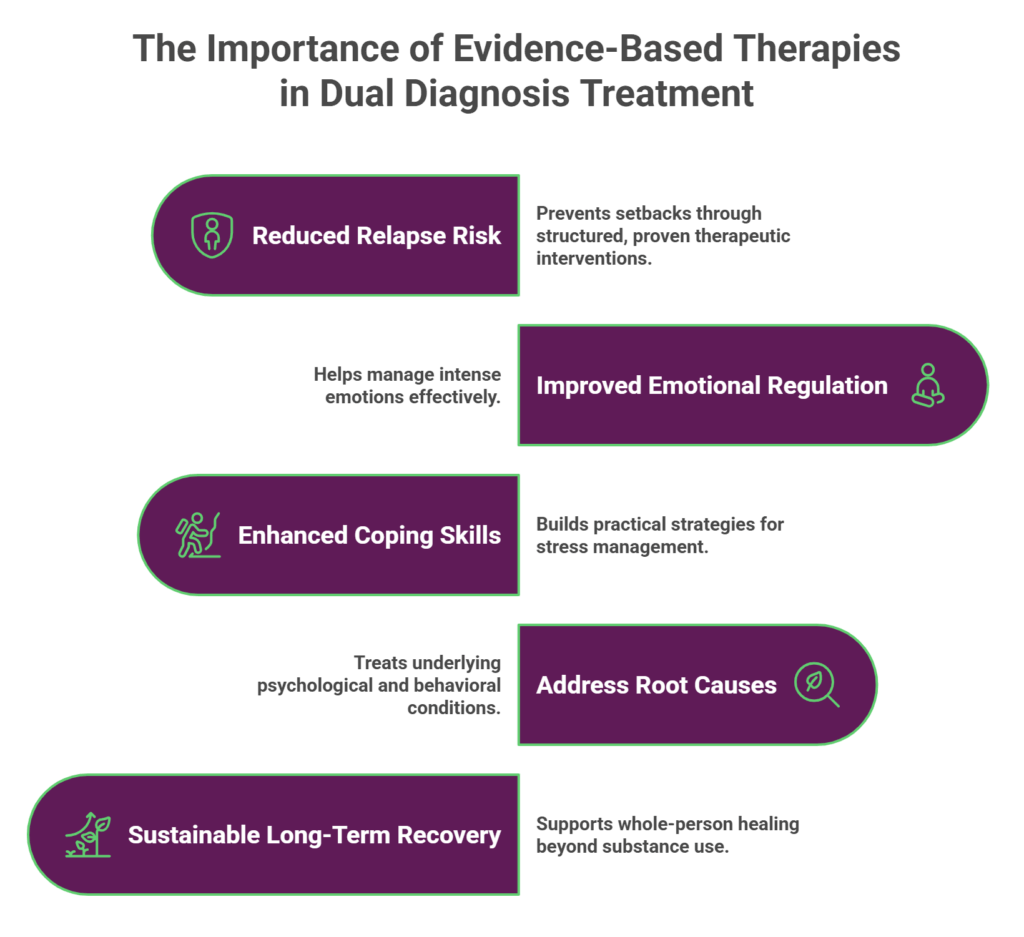
The importance of Evidence-Based Therapies in Dual Diagnosis Treatment
Evidence-based therapies refer to clinical strategies, which are scientifically approved and demonstrated using real-life results. With co-occurring addiction and mental health disorders, treatments that have not been proven or are incomplete are usually ineffective- the result is either relapse or more symptoms. Evidence-based care assists in terms of being integrated:
- Reduce relapse risk
- Become more emotionally regulated.
- Strengthen coping skills
- Treat underlying psychological pathophysiology.
- Strengthen sustainable recovery.
That is why today the therapies for addiction and mental health rely on the treatment of the entire person rather than the substance use.
Cognitive Behavioral Therapy (CBT)
One of the most common and effective therapies for addiction and mental health disorders is Cognitive Behavioral Therapy. CBT assists one to recognize distorted thinking patterns and behavior patterns that contribute to substance consumption and emotional pain. Key benefits of CBT include:
- Identification of triggers and cravings.
- Engaging in positive physical and mental responses.
- Developing coping and problem-solving.
- Treatment of anxiety and depression.
CBT is very effective in systematic inpatient addiction and mental health therapy, where steady support strengthens behavioral modification.
Dialectical Behavior Therapy (DBT)
DBT being originally created to address emotional regulation problems is very effective when applied to people with an addiction and borderline personality disorders, traumas, or long time emotional instability. DBT focuses on:
- Emotional regulation
- Distress tolerance
- Mindfulness
- Interpersonal effectiveness
DBT alleviates impulsivity and enhances emotional stability, which are essential elements of long-term recovery because of the instruction of practical managing skills.
Trauma-Informed Therapy
One of the significant causes in addiction and mental disorders is trauma. Therapy trauma-informed accepts the influence of experiences in the past without re-traumatization. This approach emphasizes:
- Safety and trust
- Emotional empowerment
- Sequential trauma processing.
- Healthy coping strategies
Trauma informed care has been incorporated in all the therapies for addiction and mental health at Alpha Healing Center, where healing is done at a safe and supportive rate.
Motivational Interviewing (MI)
Motivational Interviewing is a client based method which enhances internal motivation towards change. Instead of opposing, MI urges people to investigate the ambivalence and define personal objectives. MI is effective for:
- Early-stage recovery
- Patients who are not compliant.
- Improving engagement in treatment.
It assists in fitting consequences of recovery to personal values, which enhances the long term commitment to sobriety and mental health.
Medication-Assisted Treatment (MAT)
A mix of medicine and counseling helps people heal from addiction along with mental health struggles. Approved medications by the government agency guide this path. Therapy walks beside pills in this process. MAT can help:
- Lessen the urge and withdrawal effects.
- Stabilize brain chemistry.
- Enhance treatment compliance.
MAT is a powerful intervention used with psychotherapy in mind when applied in the context of therapies for addiction and mental health particularly in opioid and alcohol use disorders.
Group Therapy
The group therapy offers common ground or responsibility and emotional attachment. Participants benefit by learning through other people who have experienced similar challenges, so they feel less isolated. Benefits include:
- Peer support and encouragement.
- Development of skills based on common experience.
- Better communication and understanding.
Group therapy is one of the tenets of therapies for addiction and mental health.
Family Therapy
Addiction and mental disorders have an impact on whole families. The family therapy mends the relationship, enhances communication, and sets healthy boundaries. This therapy helps:
- Address enabling behaviors
- Rebuild trust
- Strengthen support systems
- Enhance the long-term recovery rates.
The involvement of family can be vital to the long-term healing process.
Holistic and Integrative Therapies
The holistic therapies are used to supplement clinical treatment by treating physical, emotional, and spiritual well being. Such strategies aid in the reduction of stress and emotional equilibrium. Ordinary holistic treatments comprise:
- Mindfulness and meditation
- Yoga and movement therapy
- Art and music therapy
- Nutritional counseling
At Alpha Healing Center, the traditional treatment is supplemented by holistic care in favor of the complete recovery of the person.
The Reason Inpatient Treatment is a Better Choice
Inpatient addiction and mental health treatment offers a structured distraction free setting where one can concentrate all on recovery. Key advantages include:
- 24/7 medical and emotional services.
- Combined psychiatric services.
- Regular therapy sessions.
- Less exposure to triggers.
This degree of care particularly helps in the case of severely or long-ranged co-occurring disorders.
The Delivery of Integrated Care at Alpha Healing Center
Alpha Healing center provides evidence-based therapy with individualization via:
- Thorough psychiatric tests.
- Personalized treatment programs.
- Dual diagnosis expertise.
- Holistic care and trauma-informed care.
- Relapse prevention and aftercare planning.
Experiencing stability, resilience, and permanent recovery is what our addiction and mental health counseling services are meant to achieve; not a quick fix.
Signs You May Need Integrated Therapy
You may benefit from specialized treatment if you experience:
- Drug abuse aggravating mental conditions.
- Sobriety emotional instability.
- Recurrent post-treatment relapses.
- Hardly able to manage without substances.
- Early response is a key to success in recovery.
Conclusion
Addiction and co-occurring disorder recovery cannot be achieved by just one person with their will alone, it needs the appropriate treatment. Therapies for addiction and mental health mitigate both disorders at their core and lead to long-term recovery.
It is our philosophy at Alpha Healing Center that we treat the entire individual in a humane, scientific and organized way. It is possible to live a healthier and more balanced life with the help of the right treatment.
Frequently Asked Questions
1. Which are the most effective therapies for addiction and mental health?
CBT, DBT, trauma-informed therapy, motivational interviewing, and medication-assisted treatment are the most effective treatments. These methods deal with substance use and comorbid mental illnesses.
2. What is the significance of integrated treatment of co-occurring disorders?
Integrated treatment treats both addiction and mental health disorders. One condition is usually not sufficient as the presence of symptoms, which are not resolved psychologically, results in a further relapse.
3. What is inpatient addiction and mental health therapy?
Inpatient care offers round-the-clock health care, programmed therapy and psychiatric attention in a highly regulated atmosphere, wherein the patient is able to stabilize and concentrate on healing entirely without external stimuli.