

The Role of Mental Health Support in Preventing Addiction Relapse
The process of addiction recovery spans throughout a person’s entire life instead of existing as a brief single instant. The process requires people to dedicate themselves while receiving expert assistance and ongoing mental health treatments. People who are recovering from addiction begin their first step by completing their rehabilitation program. The actual challenges which people experience after completing treatment emerge in their efforts to remain sober while preventing addiction from returning. The development of effective mental health support systems proves to be critical for this reason.
The mental health support addiction relapse which develops together with strategies for preventing addiction relapse holds high importance because addiction extends beyond physical substance dependency to include emotional and psychological components and behavioral patterns. Most drug addicts suffer from mental health disorders like anxiety, depression, trauma, or stress, related disorders. The absence of sufficient mental health support enables such issues to evolve into cravings which lead to emotional distress that ultimately results in a relapse.
A system of mental health support which provides continuous assistance helps individuals learn effective coping strategies while they recognize their Addiction relapse warning signs and develop emotional resilience and maintain healthy behaviors. The path to long-lasting recovery gets stronger through multiple support mechanisms which include therapy and counseling and peer support groups and aftercare programs.
Understanding Addiction Relapse and Its Connection to Mental Health
What is Addiction Relapse?
Addiction relapse prevention starts with gaining a clear picture of relapse itself. Patients who experience relapse should not view it as a failure because it represents a typical progression through their healing process. Research shows that drug relapse rates match the patterns found in chronic diseases which include diabetes and hypertension because addiction requires ongoing treatment instead of a single solution. People usually experience relapse when they face high levels of stress and emotional distress and social pressures and unaddressed mental health issues. Therefore, any effective recovery program must focus on understanding how mental health issues influence addiction relapse behavior.
The Psychological Cycle of Relapse
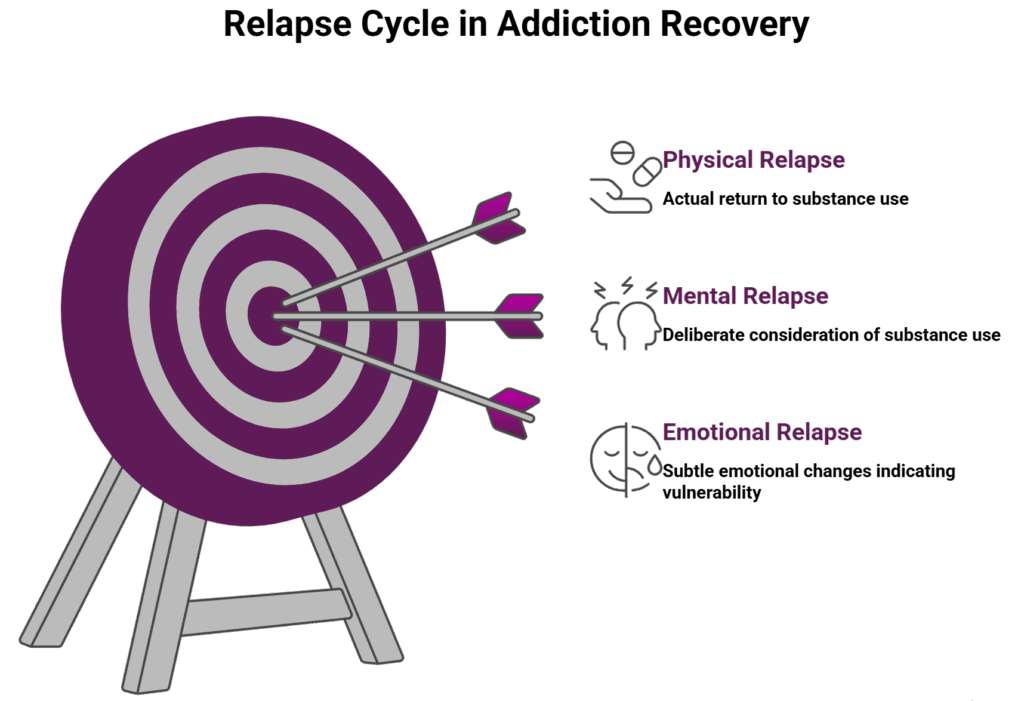
Relapse does not usually happen suddenly. Instead, it develops gradually through three stages:
Emotional Relapse
Individuals at this moment have not yet started to think about their substance use because their current emotional state and their stress level and their actions remain unbroken. Most people with addiction problems who experience emotional relapse tend to have such minor symptoms of this condition that others cannot see their addiction recovery progress. Many former drug users believe they can maintain sobriety when they experience no drug cravings. However, people who carry emotional wounds from their past will find their ability to deal with life situations becomes less effective over time.
Common signs of emotional relapse include:
- Increased anxiety or irritability
- Social withdrawal
- Poor sleep patterns
- Neglecting self-care
- Bottling up emotions
Mental Relapse
A mental relapse happens when the fight inside one’s mind for living a sober life or going back to using drugs becomes tougher. In contrast to an emotional relapse, a person is at this stage deliberately considering the idea of taking drugs even though he or she may not be totally in favor of it yet. The period is characterized by the thoughts going against each other, desires, and reasons given to oneself for a relapse.
During mental relapse, individuals may experience:
- Cravings for substances
- Romanticizing past drug or alcohol use
- Thinking about people or places associated with substance use
- Planning how they might relapse
A powerful mental health support system here can assist a person in disputing their thoughts, dealing with craving, and turning them to more effective coping mechanisms such as counseling, meditation, physical activity, or support groups.
Physical Relapse
Physical relapse is the actual returning of a person to the use of the substances, after a certain period without it. The person may begin with a single use (commonly called a slip) or the situation may get out of hand to the full resumption of addictive behaviors. This phase is usually perceived as a failure, however, it is equally necessary to acknowledge that relapse might be a part of the recovery process and not necessarily the end of it.
However, physical relapse can have serious consequences, including:
- Different health issues
- Legal or financial matters
- Poorer relationship
- Lack of trust in rehabilitation
- Overdose risk rise (especially after a period of abstinence)
Furthermore, knowledge of the relapse cycle explains the necessity for healthcare experts to maintain a practice of Addiction relapse warning signs that is more anticipatory than just reactive. It is better that persons undergoing recovery do not have a break in therapy, discovering themselves or participating in a support group which is a way of constantly being alert and prepared, so that help can be sought at the very first sign of relapse looming.
The Role of Mental Health Support in Addiction Relapse Prevention
Treating Underlying Mental Health Conditions
Untreated mental health disorders are probably one of the biggest causes of addiction relapse. For many individuals, substances are their choice of self, medication when they suffer emotional pain, trauma, or psychological distress. Therefore, integrated treatment that handles both addiction and mental health is a must.
The addiction relapse programs need effective mental health support which uses dual diagnosis treatment to handle both substance abuse and these particular medical conditions:
- Depression
- Anxiety disorders
- Post-traumatic stress disorder (PTSD)
- Bipolar disorder
- Personality disorders
The combined treatment of these medical conditions enables patients to achieve greater emotional control while reducing their dependence on drugs for relief.
Therapy as a Pillar of Relapse Prevention
Various therapeutic methods serve as essential components for supporting individuals who are recovering from their substance use disorders.
- Cognitive Behavioral Therapy (CBT) enables people to recognize their harmful thinking patterns which result in substance use and to establish more beneficial mental frameworks.
- Dialectical Behavior Therapy (DBT) teaches emotional control and mindfulness and distress tolerance as essential skills that help people prevent relapse from their recovery.
- Motivational Interviewing (MI) helps people stay sober by enabling them to discover their personal motivations for maintaining drug-free lives.
The therapeutic methods provide mental health assistance, which supports addiction relapse management, and enables individuals to manage their recovery process.
Recognizing Mental Health Support Addiction Relapse
The detection of addiction relapse warning signs through early assessment will result in better relapse prevention outcomes. The indicators should be monitored by family members, caregivers, and people who are in recovery.
Emotional Warning Signs
- Sudden and incomprehensible mood swings
- Feeling overwhelmed or anxious
- Feelings of hopelessness or helplessness
- Loss of interest in rewarding activities
Behavioral Warning Signs
- Skipping therapy or support meetings
- Withdrawing from loved ones
- Returning to environments linked to past substance use
- Neglecting responsibilities
Cognitive Warning Signs
- Thinking “one drink won’t hurt”
- Believing they no longer need support
- Minimizing the risks of relapse
The occurrence of these warning signs requires immediate mental health support together with addiction relapse intervention to prevent individuals from experiencing complete relapse.
The Role of Aftercare Mental Health Support in Long-Term Recovery
Recovery continues after the conclusion of formal treatment. The essential role of mental health support addiction relapse in prevention and shows its high importance as a recovery component.
What is Aftercare?
Aftercare refers to the ongoing support and organized treatment which follows an initial addiction rehabilitation program. Aftercare Mental Health Support needs to remain an important element during the recovery process because it provides essential support which helps people maintain sobriety while improving their mental health and reducing their risk of relapse during their return to everyday life. The initial treatment process focuses on detoxification and intensive therapeutic work and patient stabilization while aftercare provides sustaining medical support which enables patients to remain sober during times of real-world stress and triggering events and challenging situations.
Key Components of Aftercare
- Continued Therapy and Counseling
- Support Groups and Peer Support
- Sober Living or Transitional Housing (If Needed)
- Relapse Prevention Planning
- Family Involvement and Counseling
- Holistic Wellness Support
Why Is Aftercare Important?
Recovery does not end when formal treatment ends. Without aftercare mental health support, individuals may feel overwhelmed, isolated, or unprepared to handle real-life pressures, increasing the risk of relapse.
A strong aftercare plan provides:
- Continuous emotional support
- Structured accountability
- Tools to manage cravings and stress
- Long-term stability and confidence in sobriety
Lifestyle Changes That Strengthen Mental Health and Reduce Relapse Risk
Beyond therapy and counseling, lifestyle habits play a powerful role in mental health support addiction relapse prevention.
Healthy Habits That Support Recovery
Regular Exercise: The practice of physical activity provides stress relief while enhancing mood and supporting mental health.
Balanced Nutrition: Proper nutrition supports brain health and emotional stability.
Mindfulness and Meditation: The two practices enable people to stay in the present moment while controlling their cravings.
Adequate Sleep: Insufficient sleep leads to higher stress levels while decreasing emotional regulation abilities, which results in increased likelihood of relapse.
By incorporating these habits into daily life, individuals strengthen both their mental and physical resilience.
About Alpha Healing Center
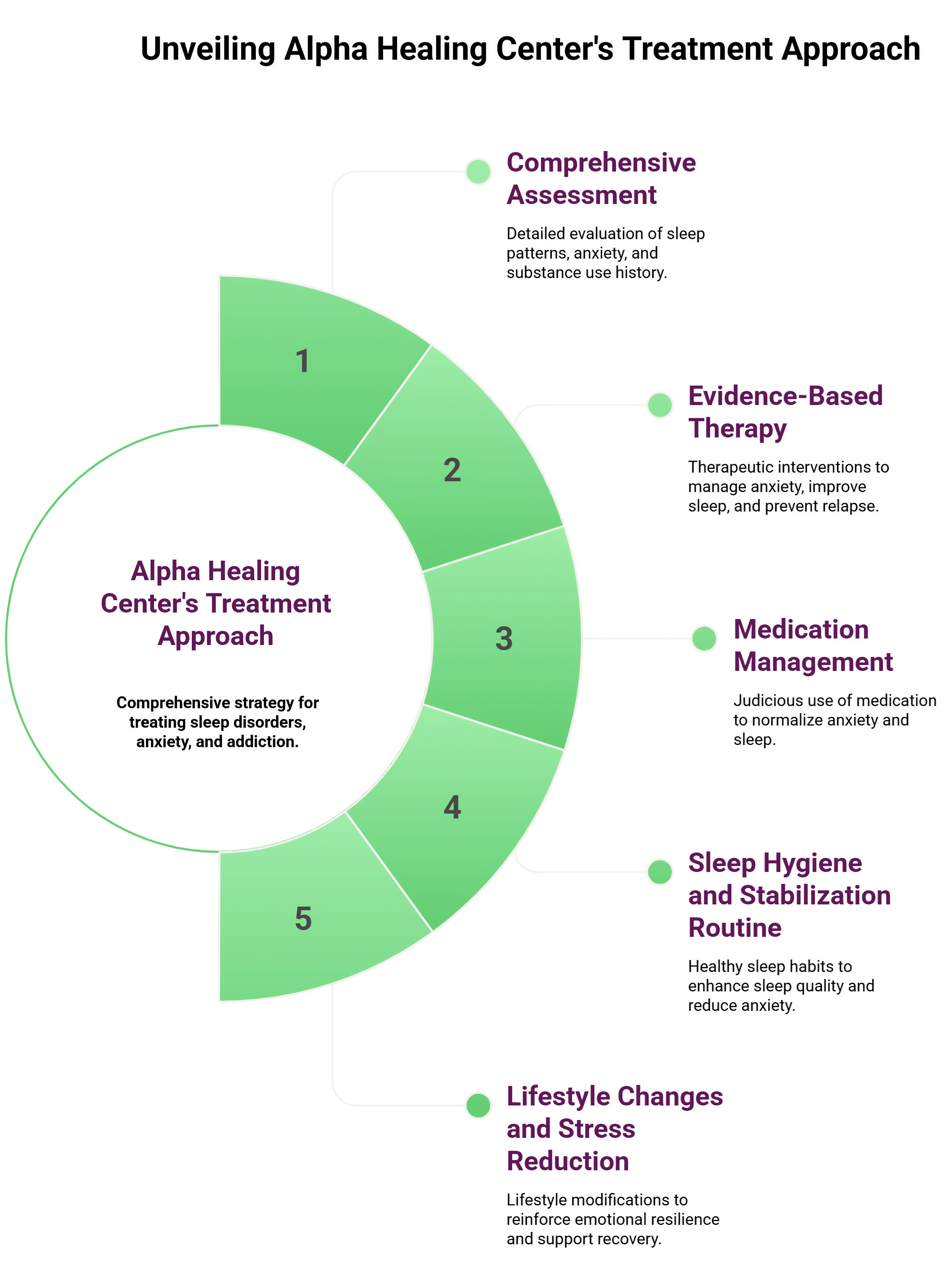
Alpha Healing Center operates as a premium rehabilitation facility which provides mental health treatment in a serene natural setting that exists within Jambughoda close to Pavagadh in Gujarat. We present holistic, evidence-based, and personalized approaches to helping individuals with addictions and co-existing mental health issues.
The organization from Alpha Healing Center builds its entire operations around creating meaningful partnerships while delivering medical treatment through its two core values of clinical excellence and compassionate care. Our compassionate team members help clients find suitable spaces which allow them to recover without fear of judgment while receiving complete support during their healing process.
The team of multi disciplinary professionals includes experienced psychiatrists, psychologists, therapists and wellness experts who evaluate each client through their comprehensive assessment process to create effective treatment plans which meet client requirements. The recovery process focuses on three essential areas which include physical health and emotional well-being and psychological development.
Alpha Healing Center operates as more than a treatment facility by using its complete treatment program together with exceptional facilities and its tranquil environment to support patient treatment. Our aim is to empower individuals with strength and skills that would ensure their sobriety lasts, that they attain emotional wellness, and live healthier, happier, more meaningful lives.
Conclusion
The process of preventing addiction relapses requires more than personal strength as it needs dependable mental health assistance from people who provide consistent and compassionate services. The article demonstrates that mental health support together with addiction relapse management techniques enables people to achieve permanent recovery by treating their mental health problems and recognizing their addiction danger signals while they receive aftercare mental health support.
Recovery consists of multiple days and months and years which require both patient endurance and inner strength and ongoing support. The combination of therapy, peer support and family involvement and healthy habits enables people to achieve their life goals while reducing their risk of substance addiction.
Your healing is not just a possibility—it is within reach. Take the first step today toward a healthier, stronger, and more hopeful future.
Frequently Asked Questions (FAQs)
1. How can lifestyle changes reduce relapse risk?
The development of mental and emotional strength through healthy habits which include regular exercise and balanced nutrition and mindfulness practice and proper sleep, enables people to manage stress and emotional triggers more effectively.
2. How does stress affect addiction relapse?
High stress levels create three negative effects which include impaired emotional control and increased cravings and reduced decision-making capacity thereby making individuals more likely to experience relapse.
3. How long does full recovery take?
The process of recovery lasts throughout a person’s entire life. People need to work continuously for their personal development and to stop relapsing because they can reach stability within months.