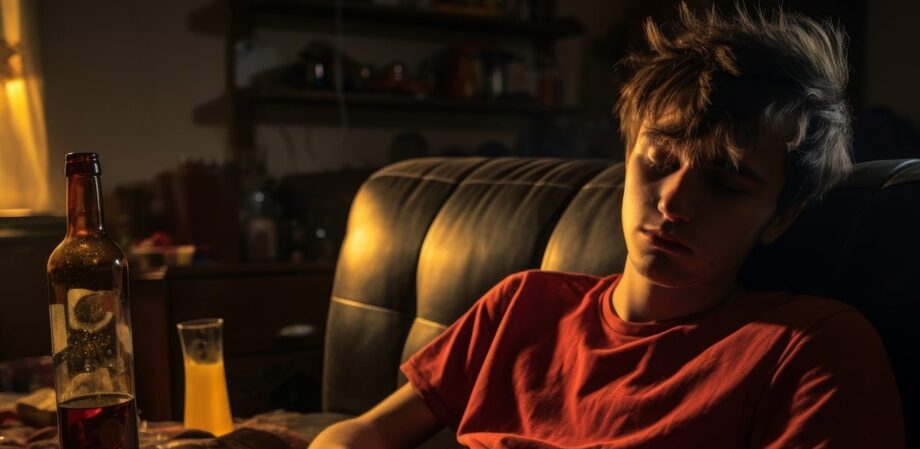


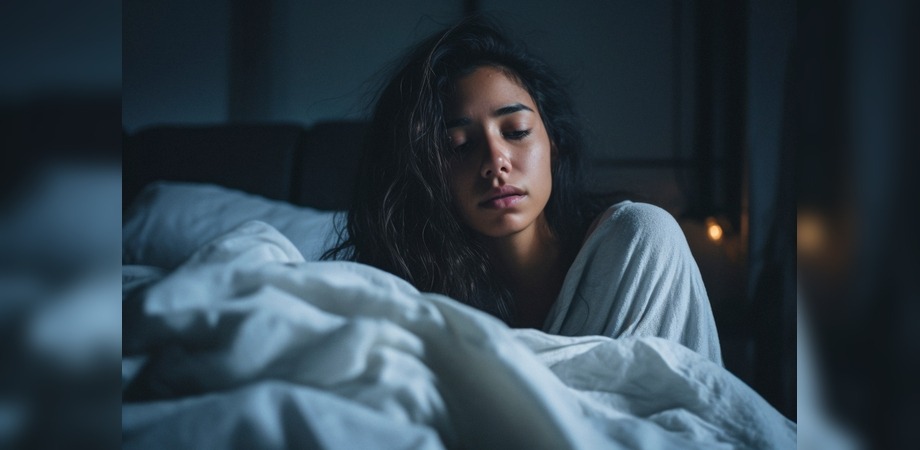
Sleep disorders, anxiety, and addiction hardly occur alone. Rather, they tend to relate in a multi-layered and strengthening manner to form a so-called hidden triangle as described by many clinicians. It is crucial to learn the interconnection of sleep disorders anxiety addiction as a preventive and early intervention measure and as a long-term recovery.
We at Alpha Healing Center take this triangle approach in integrated, evidence based care that deals with root causes and not isolated symptoms. This article discusses the effects of sleep disorders, anxiety, and addiction on each other and why such a response can be fixed to regain balance and wellbeing.
Understanding the Hidden Triangle
Mental and emotional health are based on sleep. Once the sleep is disturbed, the brain cannot control the emotions, stress reactions, and impulsiveness. This imbalance is the breeding ground of anxiety and addiction is a frequent response.
In most instances, people will often develop insomnia or sleep disorders as a result of stress or anxiety. With the course of time, alcohol, sedatives or stimulants are consumed to either sleep or remain awake during the day. What starts as a handling strategy may soon change to dependence.
It is this interrelationship that has led to the need to fight sleep disorders anxiety addiction not independently of each other.
The role of Sleep Disorders in creating Anxiety and Addiction
Such sleep disorders as insomnia, circadian rhythm disruptions and fragmented sleep influence brain chemistry. Sleep deprivation elevates cortisol, makes one emotionally reactive and decreases brain capacity to handle stress.
Lacking sleep can cause chronic sleep deprivation, which may cause:
- Anxiety and mental alertness
- Inability to focus and take decisions
- Cravings of substances which promise relief increase
- Poor impulse control, judgment
This sets a robust connection between substance abuse and sleep disorders particularly in cases where the substances are being taken as sleeping aids.
Anxiety: The Driving Force in the Triangle
One of the most popular underlying factors that relate sleep problems and addiction is anxiety disorders. Racing thoughts, worry, panic attack and physical tension results in making it hard to fall or remain asleep.
The agitation during the night is heightened in the course of the day. To get out of this loop, people have an option of indulging in alcohol to unwind or drugs to work even when they are tired. As time passes, this tendency enhances dependency and deteriorates anxiety and quality of sleep. Addressing anxiety is therefore central to managing co-occurring sleep disorders and addiction.
Effects of Addiction on Sleep and Anxiety
The use of a substance can relieve temporarily but eventually interfere with the usual sleep patterns. Alcohol hinders the REM, stimulants postpone the onset of sleep, and sedatives disrupt the deep restorative sleep.
Tolerance also increases with increased doses further degrading the architecture of sleep as well as making them more anxious upon substances wearing off. This reinforces the cycle of sleep disorders anxiety addiction, making recovery more complex without professional support.
Why These Conditions Are Often Missed
Many people can only get assistance to solve only one problem, which is insomnia, anxiety, or substance use, and they do not see the entire picture. Existing models of traditional treatments, which address one symptom at a time, can only have short-term effects but do not help to avoid relapse.
Substance abuse and sleeping disorders should be assessed together with anxiety, which should be integrated. In its absence, the drivers underneath will not have been treated.
Breaking the Cycle: Comprehensive Treatment Interventions
Comprehensive Assessment
The first step in providing effective care is to know how the interaction between sleep disorders anxiety addiction occur in each person. In Alpha Healing Center, the assessment is based on the sleep patterns, the severity of anxiety, the history of substance use, and lifestyle.
Evidence-Based Therapy
The role that therapeutic interventions play in the treatment of sleep disorders anxiety addiction:
- Anxiety Management Cognitive Behavioral Therapy (CBT)
- CBT of Insomnia (CBT-I) to regain a healthy sleep
- Relapse prevention therapy to deal with substance triggers
- The therapies are combined to create long-term coping skills
Medication Management
In appropriate cases, drugs can be used sparingly to normalize anxiety or sleep without developing dependence. Professional monitoring is a way of making sure that medication assists recovery, and not to substitute one substance with another.
Sleep Hygiene and Stabilization Routine
Healthy sleep habits are essential for recovery:
- Regular sleeping and waking
- Less time on the screen at night
- Meditative methods and mindfulness
- Caffeine and substance avoidance
Enhancing the quality of sleep will decrease the anxiety levels and the desire to use substances greatly.
Lifestyle Changes and Stress Reduction
Emotional resilience is reinforced by exercise, nutrition and stress management strategies. These changes in lifestyles are helpful in prolonged recovery of sleeping disorders and addiction.

The significance of Integrated Care
The problem of sleep disorders, anxiety, or addiction can and will result in relapse when treated independently. The notion of integrated care is that the three work together so that when one area improves, the other areas are also improved.
This holistic model causes improved outcomes, less risk of relapse, and a better quality of life at Alpha Healing Center.
Indications of When to Seek Professional Help
The recommended professional support is given in the event that you have encountered:
- Constant insomnia or sleep disturbance.
- Fear that disrupts normal operations.
- Depending on alcohol or drugs to sleep or to get along.
- Periodic relapse even after quitting.
Long-term complications would be avoided with early intervention concerning sleep disorders anxiety addiction.
How Alpha Healing Center Can Help
Alpha Healing Center specializes in integrated treatment for anxiety, sleep disorders, and addiction. Our programs focus on:
- Evidence-based plans of personalized care.
- Dual-diagnosis expertise
- Relapse prevention on a long-term basis.
- Caring and private assistance.
We assist people to regain good sleep, emotional stability and being substance free.
Conclusion
There is a strong relationship between sleep disorders, anxiety, and addiction that can be treated. The entire triangle can be treated by using integrated care, which allows people to restore peaceful sleep, emotional stability, and the ability to get rid of substance addiction.
Alpha Healing Center is ready to help you or your loved one towards a sustained recovery in case you are experiencing sleep disorders anxiety addiction.
FAQs
What are the relationships between sleep disorders, anxiety and addiction?
The problem of sleeping disorders interferes with emotional regulation, raising anxiety and stress. Sleep is then exacerbated by anxiety, and substances are usually taken to help which poses a risk of addiction. The combination of all three in treatment results in a better and more long-term recovery.
Is poor sleep a risk factor of addiction?
Yes. Chronic sleep deprivation impacts the impulse control and stress tolerance and predisposes persons to use substances to alleviate stress in the short-run, which reinforces the relationship between substance abuse and sleep disorders.
Does anxiety cause sleep problems?
Both can occur. Fear may leave one without sleep and lack of sleep will only increase symptoms of anxiety. This reciprocal relationship usually leads to substance abuse as an escapism measure.