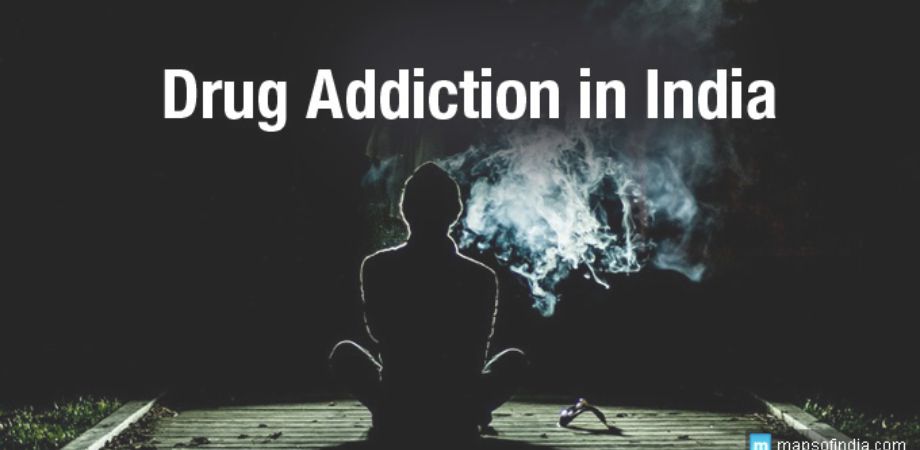

Drug addiction remains a pressing public health crisis across India, but the geographic epicenter of this issue is shifting. While the northern state of Punjab has historically borne the brunt of the narcotics trade, recent data indicates that states in the south, particularly Kerala, are now witnessing the highest rates of drug-related cases in the country, with a notable shift toward synthetic substances.
This report provides an in-depth look at the current hotspots of drug abuse in India, based on data from the Narcotics Control Bureau (NCB) and various state police forces, as well as the types of substances fueling this epidemic.
Cities and Regions with the Highest Drug Addiction Rates
Recent reports reveal distinct patterns: northern states like Punjab continue to struggle with heroin and opioid addiction, the national capital is a major hub for synthetic and party drugs, while Kerala has emerged as the state with the highest rate of NDPS cases.
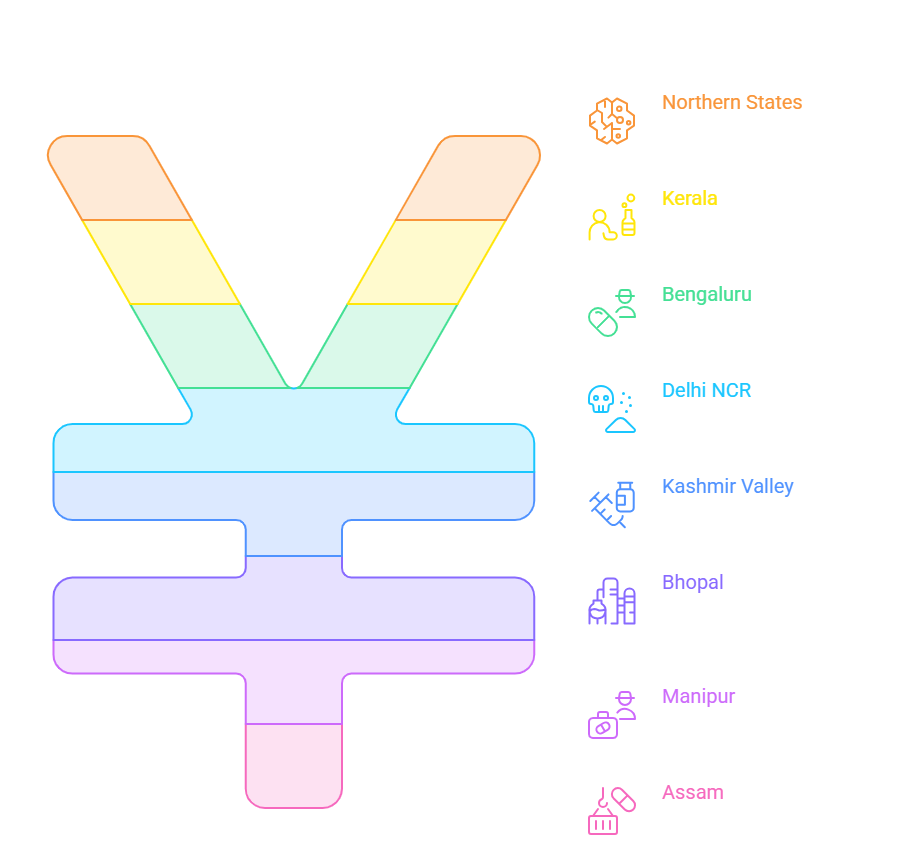
| City / Region | Primary Drugs of Concern | Key Data & Trends |
|---|---|---|
|
Punjab (Ludhiana & Amritsar) |
Heroin (chitta), opioids, pharmaceutical pills |
Highest NDPS cases in North India: 45,967 cases (2020–2024). Key hub for cross-border drone smuggling from Pakistan. |
|
Kerala (Statewide) |
MDMA, methamphetamine, cannabis, heroin |
Highest NDPS case rate in India (78 cases per lakh). 25,262 police cases (by July 2025). Surge in cases registered on campuses. Shift away from traditional ganja to synthetic drugs. |
|
Bengaluru, Karnataka |
Hydroponic ganja, MDMA, LSD, methamphetamine |
Nearly one NDPS case every hour (1,283 cases in first 59 days of 2026). NCB seized 490 kg of narcotics (~ ₹270 crores) in 2025. |
|
Delhi NCR (National Capital) |
Cocaine, MDMA (mephedrone), heroin |
Major synthetic drug hub: Seized 1,525.86 kg of cocaine (2020–2024). Accounts for 94% of all-India cocaine seizures. |
|
Kashmir Valley |
Heroin (injected), cocaine, marijuana |
Heroin crisis: ~33,000 syringes used daily for heroin injection in the Valley. 65% of syringes are reused, driving up HCV infections. |
|
Bhopal, Madhya Pradesh |
MDMA, mephedrone, LSD, cocaine |
Rapidly growing hub for synthetic drug manufacturing and youth consumption (Rs 1,800 crore mephedrone lab busted). |
|
Manipur (Northeast) |
Heroin (No. 4), methamphetamine tablets |
Biggest hotspot for heroin seizures (1,750.34 kg in 5 years). Over 1 lakh individuals are substance users. |
|
Assam (Statewide) |
Yaba tablets (meth/caffeine), pharmaceuticals, cannabis |
Highest NDPS cases in eastern India (12,500 cases, 20,398 arrests). Massive seizures of pharmaceutical tablets (17.2 million+). |
Types of Drugs Used in India
While cannabis and opioids remain prevalent, India is experiencing a concerning shift toward synthetic drugs in urban centers and a crisis of pharmaceutical drug diversion across the east.
- Opioids (Heroin and Opium): Punjab remains a primary hotspot for heroin, with 5,942.29 kg of heroin seized between 2020-2024 in the northern region. Manipur recorded the highest individual heroin seizures in the east at over 1,750 kg.
- Cannabis (Ganja and Hashish): Odisha emerged as the top state for ganja seizures in eastern India (over 850,792 kg recovered), which is widely trafficked across India.
- Synthetic Drugs (MDMA, Mephedrone, LSD): The use of synthetic drugs is exploding in metropolitan cities. Bengaluru seized 53 units of MDMA and 808 LSD blots. Delhi recorded 272.51 kg of mephedrone seizures.
- Pharmaceutical Drugs (Opioid Pills & Syrups): West Bengal saw the highest diversion of codeine-based cough syrups (2.75 million bottles seized), while Assam recorded the highest seizure of pharmaceutical tablets (over 17.2 million).
- Cocaine: Concentrated in Delhi-NCR, which accounted for an overwhelming majority of India’s cocaine seizures (1,293 kg in 2024 alone).
Understanding the Crisis: Emerging Trends and Contributing Factors
Beyond the raw numbers, several critical trends are shaping India’s drug abuse landscape. Recognizing these patterns is essential for effective public health responses.
The Shift from Natural to Synthetic Drugs
Traditionally, cannabis (ganja) and natural opioids were the most accessible substances. However, law enforcement reports from 2024–2026 indicate a decisive shift toward synthetic drugs such as mephedrone (MDMA), methamphetamine, and LSD. These drugs are cheaper to produce in clandestine labs (like those recently busted in Bhopal and Gujarat), easier to conceal, and offer more intense but shorter highs. This shift is particularly pronounced among urban youth in Bengaluru, Delhi NCR, and Kerala’s college towns. Because synthetic drugs are often manufactured domestically, they bypass many cross-border interdiction efforts.
The Northeast as a Transit Hub Turned Consumption Zone
The northeastern states, especially Manipur, Nagaland, and Mizoram, lie on the notorious “Golden Triangle” smuggling route (Myanmar, Laos, Thailand). Historically transit points, these states now have rapidly growing populations of injecting drug users (IDUs) . Manipur alone has an estimated 38,000 IDUs, many using heroin No. 4 smuggled from Myanmar. The reuse of syringes—over 65% in Kashmir Valley, according to one report—has led to alarmingly high rates of HIV and Hepatitis C among users. This public health emergency often goes underreported in national statistics.
Pharmaceutical Diversion: The Hidden Epidemic
While heroin and cocaine grab headlines, the diversion of legal pharmaceuticals is a quieter but equally devastating crisis. Codeine-based cough syrups, tramadol (an opioid painkiller), alprazolam (an anti-anxiety medication), and even gabapentin are being sold without prescriptions by corrupt chemists. West Bengal has emerged as the epicenter of codeine syrup abuse, with over 2.75 million bottles seized in recent years. In Tamil Nadu and Assam, tramadol and alprazolam tablets are crushed and injected or snorted. Because these are prescription drugs, users often mistakenly believe they are “safer” than illegal narcotics—a dangerous misconception.
Youth Vulnerability and Campus Abuse
A concerning trend is the falling age of first use. The 10-city school survey cited earlier found children as young as 11 experimenting with substances. Peer pressure, academic stress, and easy availability through social media and messaging apps have made schools and colleges prime grounds for initiation. Kerala reported a sharp increase in NDPS cases on university campuses, while Bengaluru police have arrested several student suppliers operating via encrypted chats. Without early intervention, these young users risk progressing to harder substances.
A National Perspective: School Survey
A major survey of over 5,900 students across 10 cities (including Delhi, Bengaluru, and Mumbai) highlighted the high prevalence of substance use among adolescents. It found that among students, tobacco (4%) and alcohol (3.8%) remain the most common, followed by opioids (2.8%) and cannabis (2%).
Conclusion
Drug addiction in India is no longer confined to a single region or substance. Northern states like Punjab continue to struggle with heroin, while Kerala has emerged as the leader in NDPS cases. Synthetic drugs are rapidly replacing traditional substances in urban centers, and pharmaceutical abuse remains a hidden epidemic across many states. The falling age of first use and the rise of domestic synthetic drug labs add new layers of complexity to the crisis.
Awareness of these patterns is crucial for prevention, early intervention, and informed policymaking. If you or someone you know is affected by substance use, reaching out to a qualified healthcare professional or a local de-addiction center is a positive first step.