


Understanding the Anxiety and Addiction Connection
One of the most widespread yet misconceived relations in mental health is the anxiety and addiction connection. Most substance use disorder sufferers also covertly fight the anxiety-inducing disorder, probably long before addiction sets in. What might have started as a bid to calm a racing mind, fear or emotional unrest may gradually develop into an drug addiction.
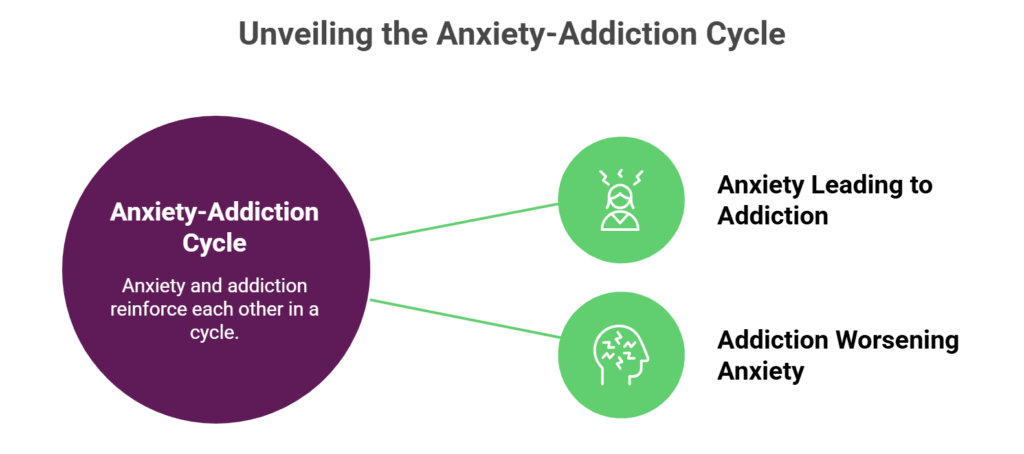
In psychological perspective, addiction and anxiety go hand in hand. Substance use is more susceptible to anxiety, whereas addiction worsens anxiety symptoms, forming a vicious circle that is hard to overcome without professional help. This form of connection is important in order to make appropriate decisions towards recovery.
Though worry often ties itself to substance use, experts at Alpha Healing Center look closer. Because tension can spark reliance, professionals there track patterns across anxiety and addiction through sessions. Recovery sticks better if care does not split them apart.
What Is Anxiety? A Psychological Overview
Stress is a normal reaction of anxiety, but once it becomes long-term or excessive, it leads to a mental disorder. Some of the common anxiety disorders are:
- Generalized Anxiety Disorder (GAD)
- Panic Disorder
- Social Anxiety Disorder
- Post-Traumatic Stress Disorder (PTSD).
Anxiety influences behavior and thoughts psychologically. Patients might feel anxious, nervous, fear that they will lose their control, sleeping disorders, and such physical symptoms as an accelerated heartbeat or muscle spasms.
Anxiety is usually disrupting when it is not managed leading to the moment when it disrupts decision-making and emotional control. Such emotional distress raises the possibility of resorting to substances as a coping strategy to a large extent.
What Is Addiction? More Than Just Substance Use
Addiction is not a will problem, but a disorder of the brain that changes the brain reward, motivation and impulse control processes. With time, the recurring use of the substance changes the neural pathways and it becomes more difficult to quit without assistance. Addiction is psychologically defined as:
- Cravings and loss of control
- Continuing despite negative consequences
- Emotional dependence
- Lack of ability to find pleasure in drugs
In cases when addiction is accompanied by anxiety, it is more complicated and that has to be treated specially.
The Anxiety and Addiction Connection Explained
How Anxiety Can Lead to Addiction
The self-medication theory is one of the most common theories that are accepted to explain anxiety and addiction connection. Persons with chronic anxiety may use drugs to reduce emotional discomfort on a short term basis.
Alcohol, sedatives, nicotine or drugs can initially induce a feeling of relaxation or ease. However, this is temporary. In the course of time, the brain develops dependence and tolerance to the substance to stabilize emotions. Behavioral responses gradually evolve into addiction.
The way Addiction aggravates Anxiety
Although it may appear that the substances reduce anxiety, they end up worsening it. The changing brain chemistry increases the symptoms of anxiety- particularly when pulling away is the case or when the drug is not in use. Addiction increases:
- Panic attacks
- Irritability and restlessness
- Sleep disturbances
- Emotional instability
This leads to a harmful circle in which anxiety causes addiction and vice versa.
Typical Drugs that are associated with the addiction caused by anxiety
Some of the substances are more often related with anxiety-related addiction:
- Alcohol: It is frequently used to help one feel relaxed, however, this increases anxiety in the long run.
- Benzodiazepines: Given out as a medication against anxiety but very addictive when abused.
- Nicotine: Relieves the short term, and increases anxiety at the base level.
- Cannabis: Can potentially decrease anxiety in the short-term, but causes panic and addiction.
It is critical to understand such patterns during the treatment planning.
Dual Diagnosis: When Anxiety and Addiction Coexist
In the event of occurrence of anxiety and addiction, the condition is known as dual diagnosis. This is very common and needs special attention in a qualified anxiety and addiction treatment Centre.
The process of addiction treatment is likely to relapse when it is without addressing anxiety. In the same manner, the treatment of anxiety that does not control substance use is rarely long-term. The key to sustainable recovery is integrated care.
The Way Psychologists Determine the Anxiety-Addiction Relationship
To determine the cause of addiction, whether it is anxiety or the other way round, psychologists aim at using an evidence-based approach that is very organized. This includes:
- In-depth clinical interviewing.
- Psychological tests and screening devices.
- Assessment of drug abuse history.
Accurate diagnosis ensures that both conditions are treated effectively.
Anxiety and Addiction Treatment
Integrated Care Approach
Treatment at the Alpha Healing Center is aimed at dealing with anxiety and addiction at the same time. Integrated care enhances emotional stability, lessens the risk of relapse and facilitates long-term recovery. Treatment may include:
- Medically supervised detox (if required).
- Psychiatric review and pharmaceutical care.
- Personalized therapy plans.
Therapy Models Used
Evidence-based treatment is a key part of recovery:
- Cognitive Behavioral Therapy (CBT): Helps learn to recognize and replace anxious thoughts.
- Trauma-Informed Therapy: Resolves unresolved trauma associated with anxiety and substance use.
- Mindfulness-Based Interventions: Enhance emotional control and tolerance of stress.
Counseling & Support
Professional anxiety and addiction counseling services provide fundamental emotional support during recovery. These include:
- Individual therapy
- Group counseling and peer counseling.
- Re-establishing trust and communication through family counseling.
Counseling enables the individuals to have healthier ways of managing without depending on substances.
The Reason Why Professional Treatment is necessary
The experience of attempting to handle anxiety and addiction individually will most likely result in relapse. Potential underlying psychological problems are not addressed unless the guidance is professional. Professional therapy offers:
- Medical safety
- Psychological expertise
- Formal recovery systems.
- Relapse prevention strategies that are long-term.
The presence of expert care presents high chances of recovery.
Creating Emotional Stability and Long Term Recovery
Recovery also does not only concern the stopping of substance use, but also building emotional balance and resilience. Individuals get to learn through professional treatment to:
- Quit using drugs to deal with anxiety.
- Develop positive ways of dealing with stress.
- Do better in self-knowledge and emotional control.
- Strengthen decision making and confidence.
Long-term recovery is addressed to stability, purpose, and mental well-being.
The way Alpha Healing Center contributes to Dual Recovery
We are the Alpha Healing Center. We focus on the anxiety and addiction connection with the help of caring and science-supported treatment. Our approach includes:
- Skilled psychiatrists and psychologists.
- Treatment programs which are medically supervised.
- Evidence based therapies.
- The supportive environments are confidential and supportive.
- Formal aftercare planning.
It is in our belief that mental health and addiction can be treated as a combination and recovery would take place.
When to Seek Help
Professional treatment should be considered in case:
- Fear is the motivator of drugs and alcohol.
- Quitting efforts augment anxiety symptoms.
- It is influenced by daily life, relationships or work.
- Mental suffering is uncontrollable.
There are better results that are achieved by early intervention.
Conclusion
The key to the enduring recovery lies in the fact that there is a strong anxiety and addiction connection. In the Alpha Healing Center, we have been able to realize that emotional and psychological issues such as anxiety, stress, unresolved traumas are the root causes of substance abuse. Our professionals provide people with evidence-based care grounded in compassion to support them in reclaiming their lives by fixing these underlying causes of their problems.
Alpha Healing Center provides patients with the necessary therapy to reach emotional stability, develop resilience, and lead an otherwise satisfying and substance-free life through individualized treatment plans and constant support. The theme of recovery is not only the lack of use of substances but the restoration of balance and the rediscovery of the purpose and building a future full of hope and health. Through proper counsel and encouragement, long term recovery is not just achievable–it is right within reach.
Frequently Asked Questions
What is the anxiety and addiction connection?
Anxiety often leads individuals to self-medicate with substances, while addiction intensifies anxiety over time, creating a reinforcing cycle.
Can anxiety cause addiction?
Yes. Chronic anxiety significantly increases the risk of substance dependence, especially without healthy coping mechanisms.
Why should anxiety and addiction be treated together?
Treating only one condition increases relapse risk. Integrated treatment leads to more sustainable recovery.