
The journey to recovery from addiction or mental health challenges is a significant one, and choosing the right support system is paramount. In 2026, Pune stands as a burgeoning hub for comprehensive rehabilitation services, offering a diverse range of facilities catering to various needs. With an estimated 10.5% of the Indian population experiencing some form of mental health issue in a given year, according to the National Mental Health Survey of India, the demand for accessible and effective rehabilitation centers is higher than ever. National Institute of Mental Health and Neurosciences (NIMHANS) is a leading institution that has highlighted the critical need for such services across the country. This guide aims to equip individuals and their families with the knowledge to navigate the options and select a rehabilitation center in Pune that best aligns with their recovery goals.
Understanding Rehabilitation Centers
Before delving into the specifics of Pune’s offerings, it’s essential to understand what a rehabilitation center entails. Rehabilitation, often shortened to “rehab,” is a process designed to help individuals overcome physical, mental, or emotional challenges. In the context of addiction and mental health, rehabilitation centers provide structured environments and professional support to facilitate healing and the development of coping mechanisms. These centers offer a spectrum of services, from detoxification and medical management to therapeutic interventions and aftercare planning. The overarching goal is to empower individuals to lead healthy, fulfilling lives free from the grip of addiction or debilitating mental health conditions.
The Growing Need for Specialized Care in Pune
Pune, a vibrant metropolitan city in Maharashtra, has witnessed a significant increase in the prevalence of substance abuse and mental health disorders. This rise can be attributed to a multitude of factors, including urbanization, increased stress levels, and the ready availability of certain substances. Recognizing this growing need, numerous rehabilitation centers have emerged, each with its unique approach and specialization. From government-funded institutions to private, luxury facilities, the landscape of addiction and mental health treatment in Pune is diverse and evolving. The Ministry of Social Justice and Empowerment in India has been instrumental in promoting and supporting de-addiction and rehabilitation programs nationwide, underscoring the national importance of addressing these issues.
Types of Rehabilitation Centers in Pune
Pune offers a variety of rehabilitation centers, each designed to address specific needs and preferences. Understanding these distinctions is crucial for making an informed choice:
1. De-addiction Centers
These centers primarily focus on helping individuals overcome substance dependency, including alcohol, opioids, cannabis, and prescription drugs. They typically offer:
- Detoxification: Medically supervised withdrawal from substances, managing physical and psychological symptoms.
- Counseling and Therapy: Individual and group therapy sessions to address the root causes of addiction, develop coping strategies, and prevent relapse.
- Medication-Assisted Treatment (MAT): In some cases, medications are used to manage withdrawal symptoms and cravings.
- Aftercare Planning: Strategies and support to maintain sobriety post-treatment.
2. Mental Health Rehabilitation Centers
These facilities cater to individuals struggling with various mental health conditions, such as depression, anxiety disorders, bipolar disorder, schizophrenia, and trauma-related disorders. Services often include:
- Psychiatric Evaluation and Medication Management: Diagnosis and treatment plans involving psychotropic medications.
- Psychotherapy: Various forms of talk therapy, including Cognitive Behavioral Therapy (CBT), Dialectical Behavior Therapy (DBT), and psychodynamic therapy.
- Skill-Building Programs: Developing life skills, social skills, and vocational rehabilitation to improve daily functioning.
- Family Therapy: Involving families in the recovery process to foster understanding and support.
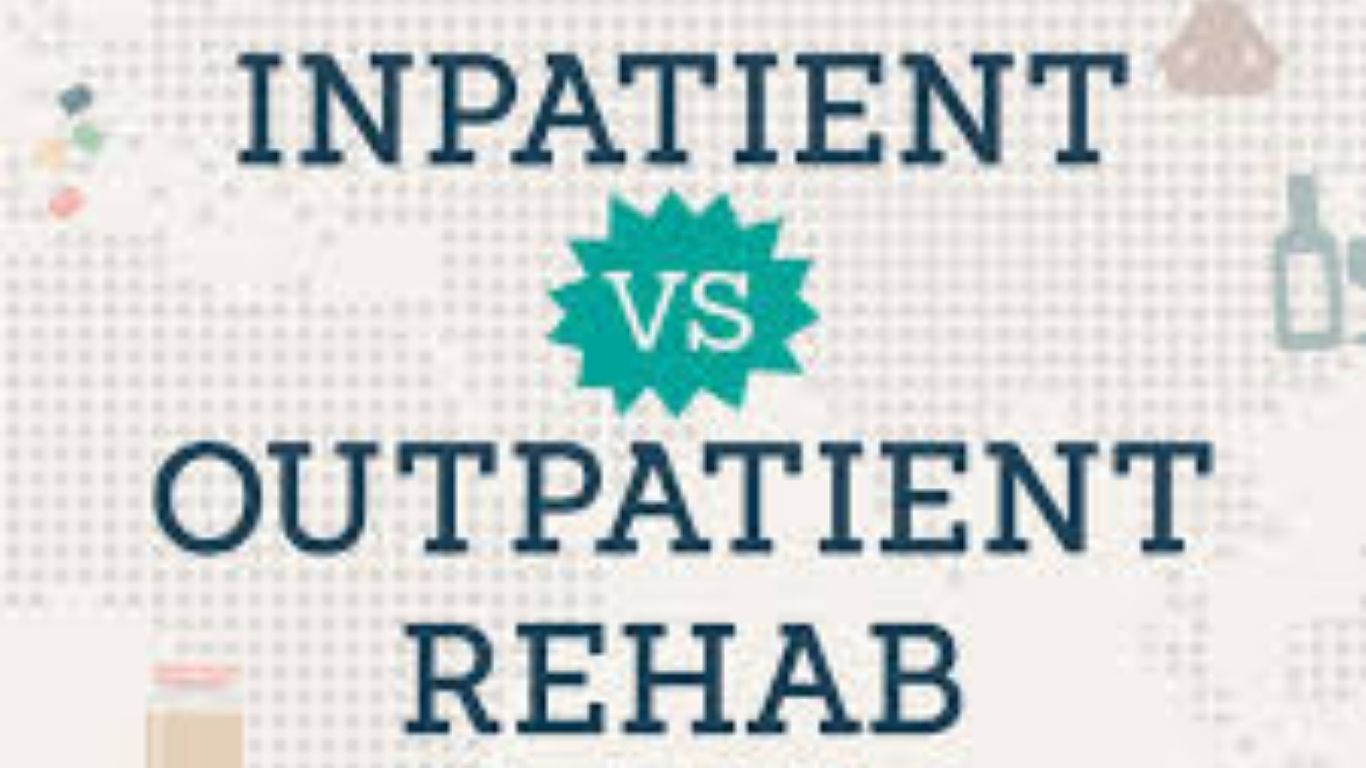
- Inpatient and Outpatient Programs: Offering different levels of care based on the severity of the condition.
3. Dual Diagnosis Centers
For individuals struggling with both a substance use disorder and a mental health condition (co-occurring disorders), dual diagnosis centers provide integrated treatment. This approach recognizes that the two conditions often influence and exacerbate each other, requiring a comprehensive treatment plan that addresses both simultaneously.
4. Luxury Rehabilitation Centers
These centers offer high-end amenities, personalized care, and a more secluded environment. While often more expensive, they can be attractive to individuals seeking privacy and a resort-like setting during their recovery. Services are typically comprehensive and tailored to individual needs.
5. Government-Supported Centers
These centers offer high-end amenities, personalized care, and a more secluded environment. While often more expensive, they can be attractive to individuals seeking privacy and a resort-like setting during their recovery. Services are typically comprehensive and tailored to individual needs.
Key Factors to Consider When Choosing a Rehabilitation Center in Pune
Selecting the right rehabilitation center is a deeply personal decision. Here are critical factors to evaluate:
1. Accreditation and Licensing
Ensure the center is accredited by relevant health organizations and holds the necessary licenses to operate. This indicates adherence to quality standards and regulatory compliance. Reputable organizations often have their accreditation status clearly displayed on their websites or available upon request.
2. Treatment Approach and Philosophy
Different centers employ various therapeutic models. Some might focus heavily on the 12-step program, while others may emphasize evidence-based therapies like CBT or mindfulness. Understand the center’s philosophy and determine if it resonates with your beliefs and recovery goals. For instance, the National Institute on Drug Abuse (NIDA) provides extensive research-backed information on effective addiction treatment approaches.
3. Medical and Clinical Staff Expertise
Inquire about the qualifications and experience of the medical doctors, psychiatrists, psychologists, counselors, and support staff. A well-rounded team with diverse expertise is crucial for addressing complex needs. High staff-to-patient ratios often indicate more personalized attention.
4. Range of Services Offered
Does the center provide the specific services you or your loved one requires? This includes detoxification, individual and group therapy, medication management, specialized programs (e.g., for trauma, eating disorders), and aftercare support.
5. Environment and Facilities
The physical environment plays a role in recovery. Consider factors like cleanliness, comfort, safety, and the overall atmosphere. Does it feel conducive to healing and introspection? For some, a serene, nature-filled setting might be ideal, while others may prefer a more urban, accessible location.
6. Location and Accessibility
Consider the center’s proximity to your home or family, especially if family involvement is a part of the treatment plan. Evaluate the ease of access for visiting family members or for emergency medical transport if needed.
7. Cost and Insurance Coverage
Rehabilitation can be a significant financial investment. Understand the total cost of the program, including accommodation, therapy, medical care, and any additional services. Inquire about accepted insurance plans or payment options. Many centers offer sliding scale fees or financing plans.
8. Success Rates and Patient Testimonials
While not always readily available or independently verifiable, ask about the center’s success rates or track record. Reading testimonials or speaking with former patients (if possible and ethical) can provide valuable insights into the patient experience.
9. Aftercare and Relapse Prevention
Recovery is an ongoing process. A good rehabilitation center will have a robust aftercare plan, including follow-up counseling, support groups, and strategies to prevent relapse after discharge.
Navigating the Admission Process
The admission process can vary between centers, but generally involves the following steps:
- Initial Inquiry: Contacting the center via phone or online form to express interest and gather information.
- Assessment: A thorough evaluation by a clinical professional to determine the individual’s needs, medical history, and suitability for the program.
- Treatment Plan Development: Based on the assessment, a personalized treatment plan is created.
- Admission and Detoxification (if necessary): The individual is admitted, and if required, begins the medically supervised detoxification process.
- Therapeutic Interventions: The core treatment phase, involving various therapies and activities.
- Discharge Planning: Preparing the individual for life after rehab, including aftercare arrangements.