
What Are the Different Treatment Options for Panic Attacks?
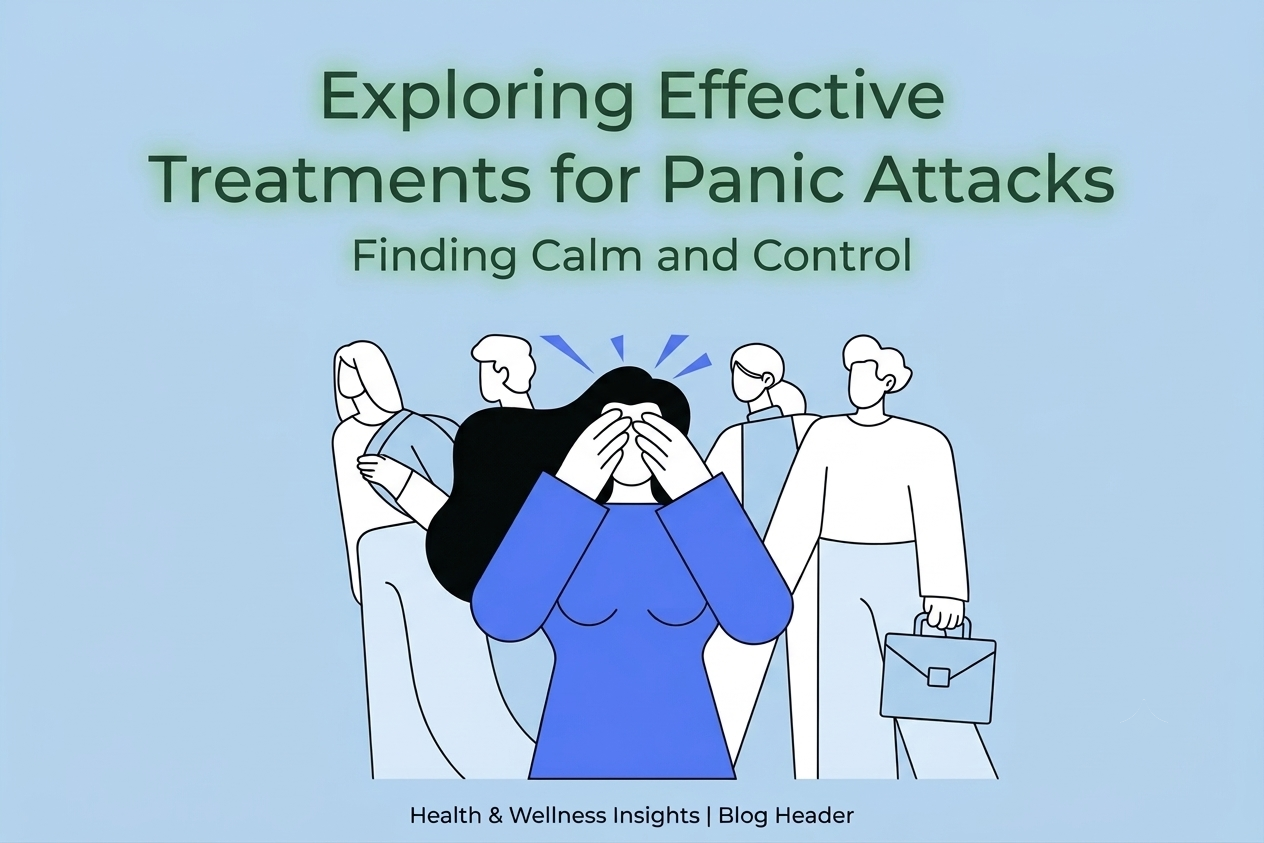
Panic attacks can cause sudden fear, a racing heartbeat, breathlessness, dizziness, and a feeling of losing control. Although these experiences can be frightening, effective treatments are available to help manage symptoms and reduce the fear of future attacks. Understanding the available treatment options and learning how to respond during an attack can be an important first step towards recovery.
What Is a Panic Attack?
A panic attack is a sudden episode of intense fear or discomfort that can occur even when there is no immediate danger. Symptoms may include a racing heartbeat, sweating, trembling, shortness of breath, chest discomfort, dizziness, and fear of losing control.
A panic attack does not automatically mean a person has panic disorder. Panic disorder involves recurrent, unexpected panic attacks followed by persistent worry about future attacks or changes in behaviour to avoid them.
What Are the Different Treatment Options for Panic Attacks?
Treatment depends on the person’s symptoms, medical history, and whether they have panic disorder. Common approaches include psychological therapy, medication, and newer digital interventions.
1. Cognitive Behavioural Therapy (CBT)
Cognitive behavioural therapy is a well-established psychological treatment for panic disorder. It helps people recognize how thoughts, physical sensations, and behaviours interact, particularly when normal bodily sensations are interpreted as signs of danger.
CBT can help reduce catastrophic thinking, anticipatory anxiety, and avoidance behaviours.
2. Exposure Therapy
Exposure therapy helps people gradually face feared bodily sensations or situations in a controlled, supportive setting. Interoceptive exposure, a form of exposure therapy, involves learning to respond differently to sensations associated with panic.
Inhibitory learning-based exposure is another approach that focuses on developing new learning and challenging fearful expectations rather than relying only on anxiety decreasing during an exercise.
These techniques should be introduced by a suitably trained professional as part of an individualized treatment plan.
3. Medication for Panic Disorder
Medication may be recommended when symptoms are persistent or significantly affect daily life. Common options include:
Selective serotonin reuptake inhibitors (SSRIs): Medicines such as sertraline, escitalopram, fluoxetine, and paroxetine may be prescribed.
Serotonin-norepinephrine reuptake inhibitors (SNRIs): Venlafaxine extended-release is one established option.
Tricyclic antidepressants (TCAs): Imipramine and clomipramine may be considered in selected cases.
These medicines generally take time to work and should be prescribed and monitored by a qualified doctor. Benzodiazepines can provide rapid relief in certain circumstances, but risks such as dependence, withdrawal, and cognitive impairment limit their use, particularly over the long term.
Do not start, stop, or change psychiatric medication without medical guidance.
4. Digital CBT and Mobile App-Guided Exposure
Digital cognitive behavioural therapy allows people to access structured psychological interventions through online platforms or mobile applications. Some programmes include guided exercises, symptom tracking, and exposure techniques.
A 2025 meta-analysis of 31 studies found that digital CBT for panic disorder and agoraphobia had a moderate-to-large overall effect compared with passive controls. However, the results were not superior to active controls overall, highlighting the importance of the programme and the type of support provided.
Mobile app-guided exposure is also being studied as a way to help people practise therapeutic techniques in everyday situations. These tools may complement professional care, but their suitability depends on individual needs.
5. Blended CBT and Virtual Reality Exposure Therapy
Blended CBT combines traditional therapy sessions with digital tools used between appointments. Early research suggests that digital support may offer additional benefits for some outcomes, but larger studies are needed to establish its effectiveness.
Virtual reality exposure therapy (VRET) uses simulated environments to help people practise facing feared situations, particularly when panic symptoms are associated with situational avoidance or agoraphobia. Evidence is developing, and this approach should be considered a possible addition to treatment rather than a replacement for established care.
What If Panic Disorder Does Not Improve With Initial Treatment?
If symptoms continue despite treatment, a doctor may reassess the diagnosis, medication, treatment duration, adherence, and any coexisting conditions. Treatment may then be adjusted to include specialist CBT, exposure-based techniques, or a different evidence-based medication approach.
Persistent symptoms do not mean that recovery is impossible. Finding the right treatment may require time and professional follow-up.
Easy Tips to Manage a Panic Attack
When you feel a panic attack beginning, the following strategies may help you respond calmly.
Slow your breathing: Breathe gently and comfortably, without forcing deep breaths or holding your breath.
Ground yourself in the present: Notice your surroundings, name a few things you can see, and focus on what is happening around you.
Relax your muscles: Gently release tension in your shoulders, hands, and jaw.
Remind yourself that the feeling can pass: If you recognize the sensations as similar to previous panic attacks, try to respond without immediately assuming the worst.
Reduce avoidance gradually: If you have started avoiding places or activities because of panic, seek professional help to work towards facing them safely and gradually.
Maintain healthy routines: Regular sleep, physical activity, and limiting caffeine or other substances that worsen anxiety may help support your overall well-being.
These strategies may help manage distress, but they do not replace professional assessment or treatment. New or severe chest pain, fainting, or unusual breathing difficulties should not automatically be attributed to panic; seek urgent medical assessment when appropriate.
When Should You Consult a Doctor?
Consider speaking with a doctor or mental health professional if panic attacks recur, you worry constantly about experiencing another attack, or fear begins to affect your work, relationships, sleep, or daily activities.
A professional can assess your symptoms, rule out other possible causes, and recommend an appropriate treatment plan.
Conclusion
Panic attacks can be distressing, but effective treatment options are available. CBT, exposure therapy, medication when appropriate, and emerging digital interventions can help people manage symptoms and reduce the fear associated with future attacks. Learning practical coping strategies and seeking timely professional support can make it easier to regain confidence in everyday life.
Experiencing repeated panic attacks? Consult your doctor today to understand your symptoms and explore suitable treatment options.