
If you have heard the term “brown sugar” and are worried that someone you love—or perhaps you yourself—is using it, you are not alone. Every year, thousands of Indian families are blindsided by this deceptively named substance. At Alpha Healing Center, we meet people at exactly this crossroads every day: frightened, confused, and desperate for clear answers. This guide was written for you.
In the sections that follow, we will explain what brown sugar really is, what it does to the brain and body, how to recognise the signs of use, what withdrawal looks like, and—most importantly—how evidence-based treatment can help a person reclaim their life.
What Is Brown Sugar Drug?
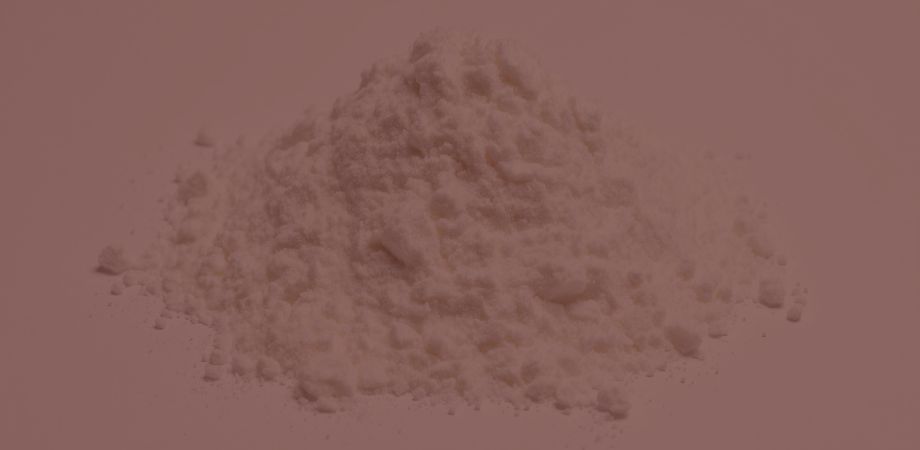
Brown sugar” is the common street name for an adulterated, impure form of heroin (diacetylmorphine). In India, it is also widely known as smack, and sometimes called junk, skag, dope, or chaw. Unlike the refined white powder that many people picture when they think of heroin, brown sugar looks like a coarse, brownish powder—hence the name.
Brown Sugar vs. Heroin: What’s the Difference?
| Feature | Brown Sugar (Smack) | Pure Heroin |
|---|---|---|
|
Purity |
Only ~20% heroin; ~80% adulterants |
High-purity diacetylmorphine (white powder) |
|
Composition |
Mixed with chalk powder, zinc oxide, strychnine, caffeine, iodex |
Minimal cutting agents |
|
Cost |
Cheaper; ₹300–₹5,000 per gram |
Significantly more expensive; ~₹1 crore/kg in grey markets |
|
Danger |
More dangerous: unpredictable potency + toxic adulterants |
Dangerous, but potency is known |
|
Appearance |
Brownish, granular powder |
White crystalline powder |
|
Primary users |
Often younger, lower-income populations; gateway to injecting |
Any demographic; typically more affluent |
Chemically, brown sugar is a semi-synthetic opioid derived from morphine, which is extracted from the opium poppy plant (Papaver somniferum). Once it enters the brain, it floods opioid receptors with an unnatural amount of dopamine—the brain’s primary “reward” chemical—producing a brief but overwhelming sense of euphoria and pain relief.
Key takeaway: Brown sugar is not a “milder” alternative to heroin. It is a cruder, chemically unpredictable, and more dangerous version of the same drug—because the user never knows exactly how much heroin they are actually consuming or what toxic fillers have been mixed into the batch.
Why Is It Called “Brown Sugar”?
The name comes purely from its appearance: a brownish, granular powder that resembles unrefined cane sugar. This benign-sounding label is one reason the drug can initially fly under the radar of parents and teachers. Other popular street names in India include smack, BS (“Brown Sugar”), and matto.
Why Brown Sugar Is So Dangerous: Examining the Composition
| Component | Approximate Proportion | Nature | Known Harm |
|---|---|---|---|
|
Diacetylmorphine (heroin) |
~20% |
Active opioid |
Euphoria, respiratory depression, addiction |
|
Chalk powder |
Variable |
Inert filler |
Lung damage when smoked; clogs blood vessels if injected |
|
Zinc oxide |
Variable |
Industrial chemical |
Tissue damage, skin necrosis, systemic toxicity |
|
Strychnine |
Trace amounts |
Rodenticide (rat poison) |
Convulsions, muscle spasms, lethal in small doses |
|
Caffeine |
Detected in analysis |
Psychoactive stimulant |
Cardiac strain, anxiety, complicates withdrawal picture |
|
Iodex/chalk/zinc |
Variable |
Filler/adulterant |
Unknown long-term toxicity |
The adulterants are what make brown sugar particularly lethal. Street chemists mix in whatever cheap powder is available—chalk powder, zinc oxide, starch, even strychnine (rat poison) and caffeine—to bulk up the product and increase profits. This means that every dose is a gamble: one packet might contain mostly filler, while the next could carry a lethal concentration of heroin or a toxic contaminant.
Medical research has further demonstrated that these adulterants contribute to atypical and life-threatening withdrawal complications, including seizures, delirium, and acute psychosis—outcomes that are much rarer with purer pharmaceutical-grade opioids.
How Brown Sugar Affects the Brain and Body
Brown sugar acts as a powerful central nervous system (CNS) depressant—it slows down the brain’s activity, including the systems that control breathing, heart rate, and consciousness.
How Brown Sugar Affects the Brain and Body
| Effect | Mechanism | Duration |
|---|---|---|
|
Euphoria (“rush”) |
Massive dopamine release; 10× more potent than morphine |
Seconds to minutes |
|
Sedation & drowsiness |
CNS depression; histamine release |
3–5 hours |
|
Respiratory depression |
Suppressed brainstem breathing centres |
3–5 hours (dose-dependent; can be fatal) |
|
Pinpoint pupils (miosis) |
Opioid receptor activation |
Duration of intoxication |
|
Nausea, vomiting |
Chemoreceptor trigger zone stimulation |
First 30–60 minutes |
|
Itching |
Histamine release |
30–90 minutes |
- Euphoria and sedation: A rapid, intense wave of pleasure followed by a dreamy, drowsy state.
- Respiratory depression: Slowed, shallow breathing—this is the primary cause of fatal overdose.
- Pinpoint pupils: A tell-tale physical sign even hours after use.
- Nausea, vomiting, and itching: Common side effects caused by the body’s histamine response.
- Impaired judgment and coordination: Making it dangerous to drive or operate machinery.
Long-Term Effects (Weeks to Years of Chronic Use)
| Organ System | Complication | Mechanism |
|---|---|---|
|
Respiratory |
Pneumonia, tuberculosis, chronic lung disease, respiratory failure |
Adulterant inhalation, immune suppression, repeated hypoxia |
|
Hepatic (Liver) |
Hepatitis B/C, cirrhosis, toxic liver injury |
Needle sharing, adulterant toxicity |
|
Renal (Kidney) |
Glomerulonephritis, renal failure |
Immune complex deposition, rhabdomyolysis from prolonged immobility during intoxication |
|
Immune system |
Severe immunosuppression; increased susceptibility to TB, sepsis |
Malnutrition, repeated infections, adulterant myelotoxicity |
|
Central nervous system |
Cognitive impairment, memory loss, anhedonia (inability to feel pleasure naturally) |
Dopamine receptor desensitisation, frontal lobe dysfunction |
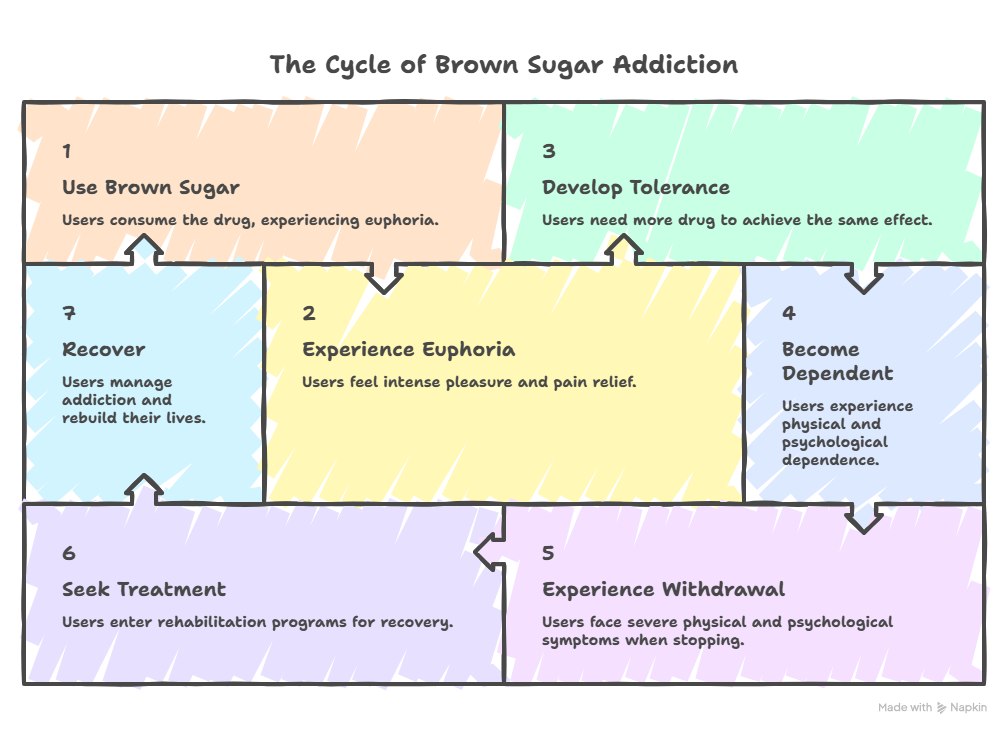
Prolonged use leads to profound tolerance—the person requires ever-larger amounts just to feel “normal”—and severe physical dependence. Other long-term consequences include:
- Malnutrition and weight loss (the drug suppresses appetite and users neglect food).
- Liver and kidney damage from chronic exposure to toxic impurities.
- Mental health deterioration: Depression, anxiety, paranoia, and cognitive decline.
- Social devastation: Job loss, financial ruin, fractured family relationships, and criminal involvement.
TW: Suicide – The excruciating distress of withdrawal, combined with intense craving and underlying depression, has driven some individuals to suicide. Reports document users who could not endure the pain of withdrawal taking their own lives.
Is Brown Sugar Addictive? Understanding Dependence
Yes—and it is more addictive than alcohol or cannabis by a wide margin. Medical experts report that dependency can set in within just five to seven days of regular use. Some sources state that even a single dose is sufficient to create an intense psychological pull.
Brown sugar hijacks the brain’s natural reward circuitry so aggressively that the user’s entire motivational system is rewired around obtaining and using the drug. At Alpha Healing Center, our clinical team witnesses this daily: people who were once loving parents, motivated students, or dedicated professionals find themselves utterly trapped in a cycle they never imagined possible.
Signs Someone Is Using Brown Sugar
Recognising the signs early can save a life. Here are the most common behavioural, physical, and psychological indicators to watch for:
Behavioural Signs
- Secretive behaviour: disappearing for long periods, especially to bathrooms or isolated places.
- Sudden financial problems, stealing money, or selling valuables.
- Neglecting responsibilities at work, school, or home.
- Associating with a new, drug-using peer group.
- Possession of unusual paraphernalia: burned silver foil, lighters, small glass pipes, or syringes.
Physical Signs
- Pinpoint pupils (a hallmark of opioid intoxication).
- Dramatic weight loss and a gaunt, malnourished appearance.
- Frequent drowsiness or “nodding off” mid-conversation.
- Track marks or bruises on arms (if injecting), or wearing long sleeves in hot weather.
- Persistent constipation, dry mouth, and scratching.
Psychological Signs
- Extreme mood swings: oscillating between euphoria and irritability or depression.
- Lying, manipulation, and defensiveness when questioned.
- Loss of interest in hobbies, relationships, and activities once enjoyed.
- Appearing anxious, paranoid, or emotionally “flat.”
What Happens During Brown Sugar Withdrawal?
Withdrawal is the single biggest barrier that prevents people from quitting on their own—and it is important to understand why.
Withdrawal Symptoms (By Category)
Physical Symptoms
- Excruciating, deep bone and muscle pain
- Nausea, vomiting, diarrhoea, abdominal cramping
- Profuse sweating, goosebumps (hence “cold turkey”), yawning
- Runny nose, watery eyes, dry cough
- Insomnia, elevated heart rate, fever
- Dilated pupils (mydriasis)
Psychological Symptoms
- Intense, uncontrollable drug craving
- Severe depression, suicidal ideation
- Irritability, rage episodes, acute anxiety
- Mood swings, emotional lability
Atypical/Brown-Sugar-Specific Complications
- Seizures (occurring 11–92 hours after last dose; median ~30 hours; correlated with higher daily intake)
- Delirium and acute confusion
- Psychotic symptoms (hallucinations, paranoia)
- These complications are significantly more common with brown sugar withdrawal than with pharmaceutical-grade opioid withdrawal, attributable to adulterant neurotoxicity.
Withdrawal Timeline
| Approx. Time Since Last Use | Symptoms |
|---|---|
|
4–6 hours |
Restlessness, sweating, runny nose and eyes |
|
14–24 hours |
Loss of appetite, possible convulsions |
|
24–36 hours |
Intensifying insomnia, vomiting, extreme irritability |
|
36–72 hours (PEAK) |
Severe muscle and abdominal cramps; highest risk period for seizures (median ~30 hours) |
|
72 hours+ |
Acute physical symptoms begin to subside; psychological battle—overwhelming craving and depression—intensifies |
|
10–15 days |
Most physical symptoms resolve; post-acute withdrawal (PAWS) may persist for months with cravings, mood instability, and sleep disturbance |
The first 72 hours are widely considered the most critical window—physically gruelling and psychologically overwhelming. Without medical supervision, the relentless craving drags most people back to use long before the withdrawal runs its course.
Important: While opioid withdrawal is rarely directly fatal, brown sugar withdrawal carries a significantly elevated risk of seizure and psychotic decompensation compared to pure heroin withdrawal. One study found that 43.4% of brown sugar users in withdrawal experienced seizures, 26.1% developed post-ictal confusion, and 17.4% exhibited psychotic symptoms. This is why medically supervised detoxification is an absolute necessity, not a luxury.
How Brown Sugar Addiction Is Treated
Recovery from brown sugar addiction is absolutely possible, but it requires professional, evidence-based care. Attempting to quit “cold turkey” without medical support is not only extremely painful but can be medically dangerous given the elevated seizure risk.
Medically Supervised Detoxification (Days 1–14)
The first step is inpatient detoxification under 24/7 medical supervision, typically lasting 10–14 days. During this period, doctors use specific medications to manage withdrawal symptoms and prevent complications:
- Buprenorphine: A partial opioid agonist that significantly reduces cravings and withdrawal severity without producing a “high”.
- Naltrexone: An opioid blocker that prevents any opioid from producing a euphoric effect, helping to prevent relapse.
- Supportive medications: For nausea, insomnia, muscle cramps, and anxiety as needed.
- Anticonvulsant prophylaxis: In cases with high seizure risk, prophylactic medication may be warranted.
Comprehensive Rehabilitation (Weeks 2–12+)
Detox alone is not treatment—it is only the beginning. At Alpha Healing Center, we address the whole person through a holistic, multi-modal rehabilitation programme:
- Individual psychotherapy: Cognitive Behavioural Therapy (CBT), Motivational Enhancement Therapy, and trauma-informed care to address the underlying psychological drivers of addiction.
- Group therapy and peer support: Building connection and accountability with others on the same recovery journey.
- Family therapy: Addiction affects the entire family; healing must include family members who have been hurt and who can become crucial allies in long-term recovery.
- Holistic practices: Yoga, meditation, mindfulness-based stress reduction, expressive arts therapy, and music therapy—all of which help regulate the nervous system and restore a sense of peace.
- Relapse prevention planning: Identifying triggers, building coping skills, and creating a concrete plan for life after discharge.
Long-Term Recovery and Aftercare (12+ Months)
Brown sugar addiction is a chronic brain condition—not a moral failing. Like diabetes or hypertension, it requires ongoing management. Sustained recovery is built through:
- Continued outpatient counselling and psychiatric follow-up for at least 12 months.
- Medication-Assisted Treatment (MAT) with buprenorphine or naltrexone as clinically indicated.
- Regular attendance at Narcotics Anonymous (NA) or similar mutual-help groups for community accountability.
- Family involvement and support—research consistently shows empathetic, engaged families significantly improve long-term outcomes.
The Brown Sugar Crisis in India: Growing Data
The Indian government’s own statistics paint an alarming picture. In Odisha alone, over 97 kilograms of brown sugar were seized in just four years, with 1,234 individuals arrested. De-addiction centres in Odisha now report the fourth-highest number of admissions nationally, following Madhya Pradesh, Uttar Pradesh, and Rajasthan.
Urban centres like Mumbai and Pune are also witnessing a surge: some de-addiction centres receive 150–160 outpatient visits daily, predominantly from individuals seeking help to quit brown sugar, and treat approximately 250 inpatients annually. In districts like Alipurduar (West Bengal), brown sugar addiction has become so prevalent that it is fuelling a wave of petty crime among youth.
Between 2022 and 2026, multiple large-scale seizures—including a 17-kilogram bust in Malda valued at ₹17 crore, and ongoing police operations in Srinagar, Puri, and Chhattisgarh—underscore that brown sugar trafficking remains a serious and growing problem across India.
These figures aren’t just numbers—they represent real lives, real families, and real communities grappling with a crisis that demands urgent, compassionate, and evidence-based action.
When to Get Help: Do Not Wait
If you or someone you love is using brown sugar, the time to seek help is now—not after the next dose, not after things “get bad enough.” Addiction is a progressive brain disease. It only worsens without intervention, and the risk of overdose, seizure, or permanent health damage increases with every use.
At Alpha Healing Center, we understand how terrifying it can be to reach out for help. We also know—from years of clinical experience—that recovery is real, achievable, and life-changing. Our multidisciplinary team of psychiatrists, clinical psychologists, occupational therapists, and holistic wellness practitioners is here to support you and your family through every single step of the recovery journey.
Frequently Asked Questions
Brown sugar is an adulterated, impure form of heroin—typically containing only about 20% actual heroin mixed with cheap, often toxic fillers
It is a coarse, brownish or off-white granular powder resembling unrefined sugar
Most commonly, the powder is heated on silver foil and the fumes are inhaled (“chasing the dragon”). It can also be smoked in cigarettes or dissolved and injected.
Yes—fatally. Because the heroin content is unknown, the risk of accidental overdose is extremely high. Overdose causes breathing to slow and stop
Yes—unlike withdrawal from pure heroin, brown sugar withdrawal carries a significantly elevated risk of seizures (43.4% in one study), delirium, and psychotic episodes due to toxic adulterants. Medically supervised detox is essential.
Dependence can begin within just five to seven days of regular use—and some people feel a powerful psychological pull after their very first dose